Time-to-Onset Patterns by Drug Class: When Common Medication Side Effects Start
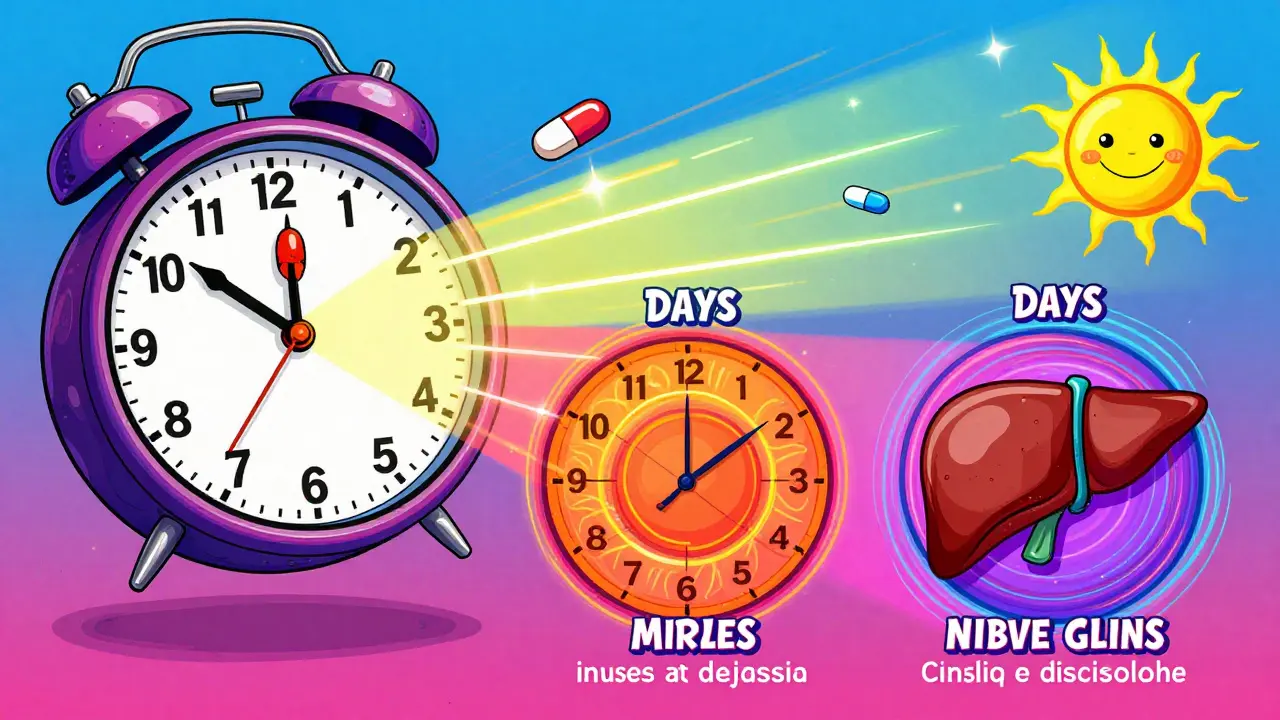
Ever start a new medication and wonder if that headache, rash, or muscle ache is the drug-or just bad luck? You’re not alone. Many people assume side effects show up right away, but that’s not always true. Some hit within hours. Others creep in after weeks or even months. Knowing when side effects typically appear for different drugs can save you from misdiagnosis, unnecessary tests, or even stopping a drug you actually need.
Why Timing Matters More Than You Think
It’s not enough to know that a drug can cause nausea or dizziness. What matters is when it shows up. If your joint pain starts two days after taking a new antibiotic, that’s a red flag. If it shows up after six weeks? Maybe not. This timing-called time-to-onset (TTO)-isn’t just academic. It’s a tool doctors use to tell if a symptom is caused by the drug or something else entirely. For example, imagine you’re on lisinopril for high blood pressure and suddenly your face swells up. Your doctor might think it’s an allergy. But if you’ve been on the drug for four months? That’s not a typical allergic reaction. It’s a known delayed effect of ACE inhibitors. Without knowing TTO patterns, you might be misdiagnosed-or worse, told it’s "all in your head."Fast-Onset Reactions: Hours to Days
Some side effects are like a lightning strike. They hit fast, often within hours or the first few days. These are usually tied to how the drug works in your body right away. Angioedema from ACE inhibitors is a classic example. While some cases show up within hours-especially if you’ve had a reaction before-others can creep in weeks or months later. That’s why doctors need to know both the typical window and the outliers. The same goes for anaphylaxis from penicillin or other antibiotics: it’s usually immediate, often within 30 minutes of the first dose. Ciprofloxacin, a common antibiotic, causes peripheral nerve damage in some people. Studies show the median time for this side effect to appear is exactly 2 days. And here’s something surprising: women tend to feel it faster than men-within 2 days versus 4. That’s a sex-based difference that’s now being factored into safety monitoring. Acetaminophen overdose is another fast hitter. Liver damage can show up in under 24 hours. That’s why emergency rooms check levels early and give N-acetylcysteine as soon as possible. Delayed treatment? Higher risk of liver failure.Mid-Term Reactions: Days to Weeks
Many side effects don’t hit immediately. They build up. This is where most people get confused. Statins like atorvastatin or simvastatin are often blamed for muscle pain. But here’s the twist: a major 2021 study found that when people who thought they couldn’t tolerate statins were given a placebo instead, 55% still felt better within 3 days. That suggests a big chunk of "statin side effects" are nocebo effects-where the fear of side effects causes them. Still, real muscle damage can happen, usually between 1 and 4 weeks after starting the drug. Pregabalin and gabapentin, used for nerve pain and seizures, cause dizziness and fatigue in nearly 60% of users. Most report these symptoms within the first week, even though the median time to onset is 19 days. That’s because people notice it early, but it can take longer to become severe enough to report. Drug-induced hepatitis from common meds like amoxicillin-clavulanate or NSAIDs usually appears around 42 days after starting. But the range is wide-anywhere from 20 to 117 days. That’s why doctors monitor liver enzymes at the 4- to 6-week mark for patients on long-term meds.Long-Delayed Reactions: Weeks to Months
These are the sneakiest. They don’t fit the usual timeline, so they get missed. Natalizumab, used for multiple sclerosis, can cause a rare but serious brain infection called PML. The median time to onset? 141.5 days. That’s almost five months. If a patient gets dizzy or weak after 90 days, and the doctor doesn’t consider PML yet, they might blame it on MS progression. But timing is key: PML almost never shows up before 3 months. Interferon beta-1a, another MS drug, can cause peripheral nerve damage too-but it takes even longer. The median time? Over 526 days-almost a year and a half. That’s why patients on these drugs need ongoing monitoring, even after they feel fine. And back to ACE inhibitors: while angioedema can strike early, up to 1 in 5 cases appear after 6 months. One patient on Drugs.com wrote: "I got severe swelling four months in. My doctor didn’t even consider the medicine until I found the research myself."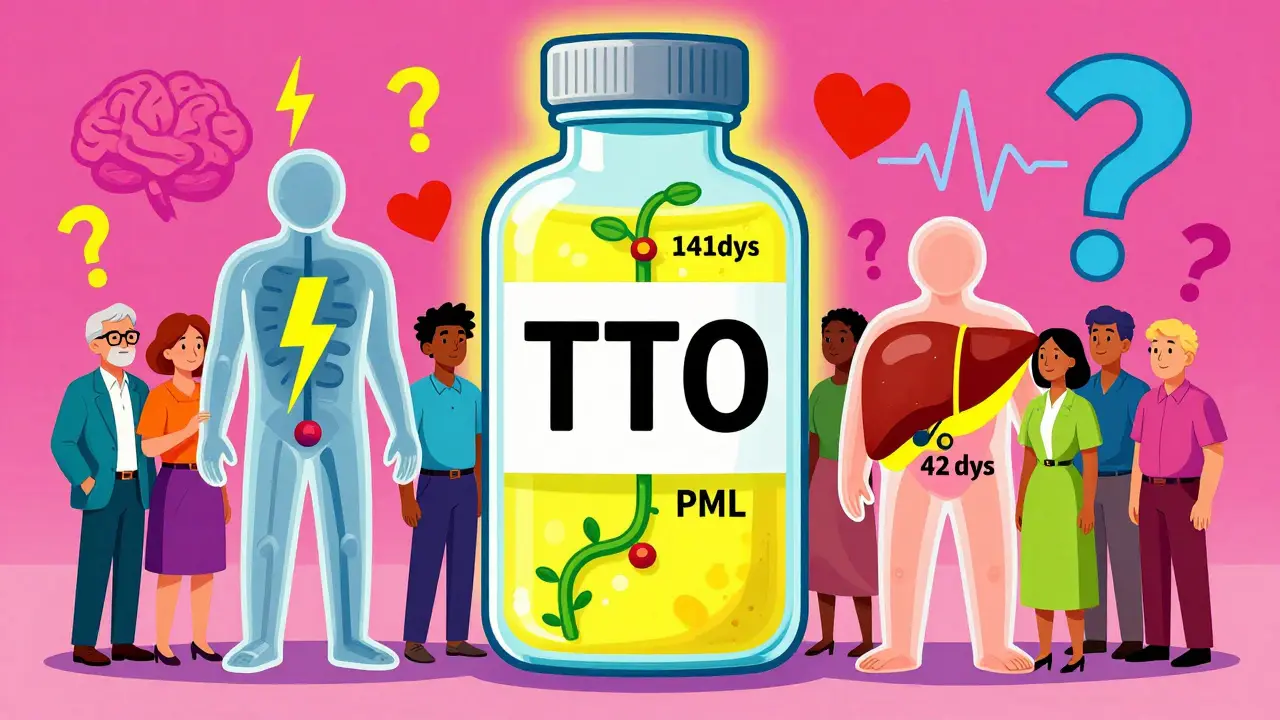
What’s Behind the Timing? Mechanisms Matter
Why do some reactions happen fast and others slow? It’s not random. It’s biology. Immediate reactions (hours) are often due to direct chemical effects. Like histamine release causing hives or swelling. The drug hits the target, and boom-symptoms follow. Delayed reactions usually involve your immune system. Your body needs time to recognize the drug as a threat. That’s why drugs like anti-seizure meds or antibiotics can cause rashes or liver damage weeks later. Your immune cells are slowly building up a response. Idiosyncratic reactions are unpredictable and rare. They might be tied to your genes. For example, some people have a genetic variant that slows how their liver breaks down certain drugs. That buildup over time leads to toxicity. That’s why some people get liver damage on a standard dose while others don’t.How Doctors Use This Info in Real Life
Hospitals aren’t just guessing anymore. Systems like Epic now have built-in alerts that flag symptoms based on timing. At Mayo Clinic, using TTO-based alerts improved detection of bad reactions by 22% since 2022. Doctors also use TTO patterns to decide:- Should I stop the drug now, or wait?
- Is this symptom likely the drug-or something else?
- Do I need to order tests, or just monitor?
What Patients Should Watch For
You don’t need to memorize all the numbers. But here’s what to remember:- First 72 hours: Watch for swelling, hives, trouble breathing, or sudden dizziness. These need immediate care.
- Days 1-7: Fatigue, nausea, dizziness, or rash? Could be the drug, especially with antibiotics, antidepressants, or seizure meds.
- Weeks 2-6: Muscle pain, yellowing skin, dark urine, or unexplained bruising? Get liver or muscle tests.
- Months 3+: Numbness, tingling, vision changes, or memory issues? Don’t assume it’s aging or stress. Ask: "Could this be the medication?"

Limitations and Risks
TTO patterns are powerful-but not perfect. First, they’re based on averages. You might be the exception. Someone could get a reaction on day 100 even if the median is day 20. Second, we only know what gets reported. Studies show adverse events are 37% less likely to be noticed or reported after someone stops the drug. So if your rash disappeared after quitting the pill, your doctor might never know it happened. Third, timing alone doesn’t prove causation. Just because a symptom shows up after a drug doesn’t mean the drug caused it. That’s why doctors look at other clues: Did it go away after stopping? Did it return if restarted? Are there other possible causes?The Future: Personalized Timing
This isn’t static science. The next big leap is personalization. The NIH’s All of Us program is starting to combine TTO data with genetic info. Imagine getting a warning: "Based on your genes, you’re at higher risk for delayed nerve damage from this antibiotic-monitor for tingling after day 5." That’s coming by 2025. Wearable tech is also joining the game. Johnson & Johnson is testing patches that track movement, heart rate, and skin changes in real time-linking them to drug doses. If your muscle activity drops suddenly after taking a statin, the app could alert you before you feel pain.Bottom Line: Know the Window, Not Just the Risk
Side effects aren’t just about "what" can happen. They’re about "when." A symptom that seems harmless at day 10 could be a red flag. One that looks scary at day 1 might be nothing. Don’t assume all side effects happen right away. Don’t dismiss symptoms just because they’re "late." Use timing as a clue-not a rule. Talk to your doctor about the typical onset window for your meds. Keep a simple log: what you took, when, and what you felt. That record could be the key to figuring out what’s really going on.How soon do most drug side effects start?
Most side effects appear within the first 72 hours or first week, especially for antibiotics, antidepressants, and seizure medications. But some, like liver damage or nerve issues, can take weeks or even months. There’s no single answer-it depends on the drug class and how your body processes it.
Can a side effect start after I stop taking the drug?
Yes, but it’s rare. Most side effects occur while you’re still taking the drug. However, some immune-related reactions-like certain rashes or liver injuries-can appear days or even weeks after stopping, because your body is still reacting to the drug that’s lingering in your system. If you notice new symptoms after quitting a medication, tell your doctor.
Are side effects worse in women?
For some drugs, yes. Research shows women often experience side effects faster and more intensely than men. For example, ciprofloxacin-induced nerve damage shows up in women within 2 days on average, compared to 4 days in men. Hormones, body weight, and liver enzyme differences play a role. This is now being factored into drug safety guidelines.
Do all statins cause muscle pain at the same time?
No. Muscle pain from statins usually starts between 1 and 4 weeks, but it’s not always the drug. In fact, studies show over half of people who think they can’t tolerate statins feel better within days of switching to a placebo-suggesting psychological factors play a big role. Still, real muscle damage can occur, so persistent pain should be checked with a blood test.
How do doctors know if a symptom is from a drug?
They use timing, plus other clues: Did the symptom start soon after the drug was added? Did it improve after stopping? Did it return when the drug was restarted? They also check if the timing matches known patterns for that drug class. If it doesn’t fit, they look for other causes.
If you’re on multiple medications, keep a simple log: drug name, start date, and any new symptoms. Bring it to your next appointment. That small habit could prevent a misdiagnosis-or help you stay on a drug that’s actually helping you.
Jake Moore
January 17, 2026 AT 14:09Finally someone breaks this down without jargon. I was on lisinopril for 5 months before my face swelled up. Doctor thought I had an infection. Turned out it was the med. Never would’ve known if I didn’t find this post. Thanks for the clarity.
Joni O
January 18, 2026 AT 16:09i just started simvastatin last week and my legs feel like lead… is this normal? i’m scared to ask my dr bc they always say it’s ‘in my head’ 😔
christian Espinola
January 20, 2026 AT 02:45Of course the pharma companies don’t want you to know this. They profit off misdiagnoses and lifelong prescriptions. This data is suppressed because if patients knew when side effects actually occur, they’d stop taking drugs before the damage was irreversible. Wake up.
Chuck Dickson
January 20, 2026 AT 17:19This is gold. Seriously. I used to think all side effects were immediate, but now I realize timing is everything. My buddy took cipro and got nerve tingling on day 3-doc dismissed it. He went back a week later with worsening symptoms and got it flagged. Saved his mobility. Share this with your prescriber. Knowledge = power.
Aysha Siera
January 20, 2026 AT 19:13they're hiding the real timeline so you keep taking it. the 141 day pml window? that's not coincidence. that's the sweet spot where you're too far in to quit and too early to blame them
rachel bellet
January 22, 2026 AT 17:21It’s statistically irresponsible to generalize TTO without controlling for pharmacokinetic variability, metabolic polymorphisms, and concomitant polypharmacy. The data presented lacks multivariate regression analysis and fails to account for the confounding influence of placebo/nocebo effects in self-reported symptomatology. This is anecdotal epidemiology dressed as clinical guidance.
Robert Davis
January 23, 2026 AT 18:56Yeah, I read this whole thing. I’m still not sure if my fatigue is from the antidepressant or just… life. But I guess I’m supposed to wait 19 days to be sure? I’ve been feeling like a zombie since Tuesday.
Dayanara Villafuerte
January 25, 2026 AT 11:09OMG YES. I got a rash from amoxicillin at 45 days. My doctor was like ‘probably allergies’ 😒 I had to google it myself. Now I keep a meds journal. 📓✨ You’re welcome, future me.
Jodi Harding
January 26, 2026 AT 03:20Timing is the only truth. Everything else is noise.
Danny Gray
January 26, 2026 AT 07:39But what if the drug is just… a metaphor? What if the side effects are your soul screaming because you’re living someone else’s life? The body doesn’t lie. But maybe the meds aren’t the problem. Maybe the system is.
Zoe Brooks
January 26, 2026 AT 17:16My mom’s on gabapentin and said her dizziness started after 10 days. I showed her this and she finally asked her doctor to taper it. She feels 10x better now. Thank you for writing this. It’s scary how little we’re told.
Kristin Dailey
January 27, 2026 AT 12:55USA leads in drug safety. If you’re having side effects, you’re probably not following instructions. Stop complaining.
Wendy Claughton
January 28, 2026 AT 08:54This is so important… I’ve been keeping a little notebook since I started my BP med… I write down the date, the symptom, how I felt… I even added little stars when I felt okay 🌟 It’s helped me feel less crazy. Thank you for validating this.
Pat Dean
January 28, 2026 AT 12:24Of course the FDA doesn’t warn you about this. Big Pharma owns them. You think they want you to know your nerve damage might show up after 6 months? Nah. They want you on it forever. Wake up.
Jay Clarke
January 30, 2026 AT 07:19So what? You’re telling me I have to track every little twinge for the next 18 months? That’s not medicine. That’s full-time employment. I’m just trying to live. Not become a medical data entry clerk.