Remote Monitoring for Medication Side Effects: Best Devices and Apps in 2026
Medication Side Effect Risk Calculator
Identify your risk level of experiencing medication side effects. Based on your medications, age, and health conditions.
Your Risk Assessment
Recommendations
Every year, tens of thousands of people end up in the hospital not because their condition got worse, but because a medication they were taking caused a dangerous reaction. It’s not rare. In the U.S., adverse drug events lead to over 1.3 million emergency room visits annually, and nearly 7% of all hospital admissions are tied to them. The good news? Technology is now catching these problems before they turn into crises.
How Remote Monitoring Stops Side Effects Before They Happen
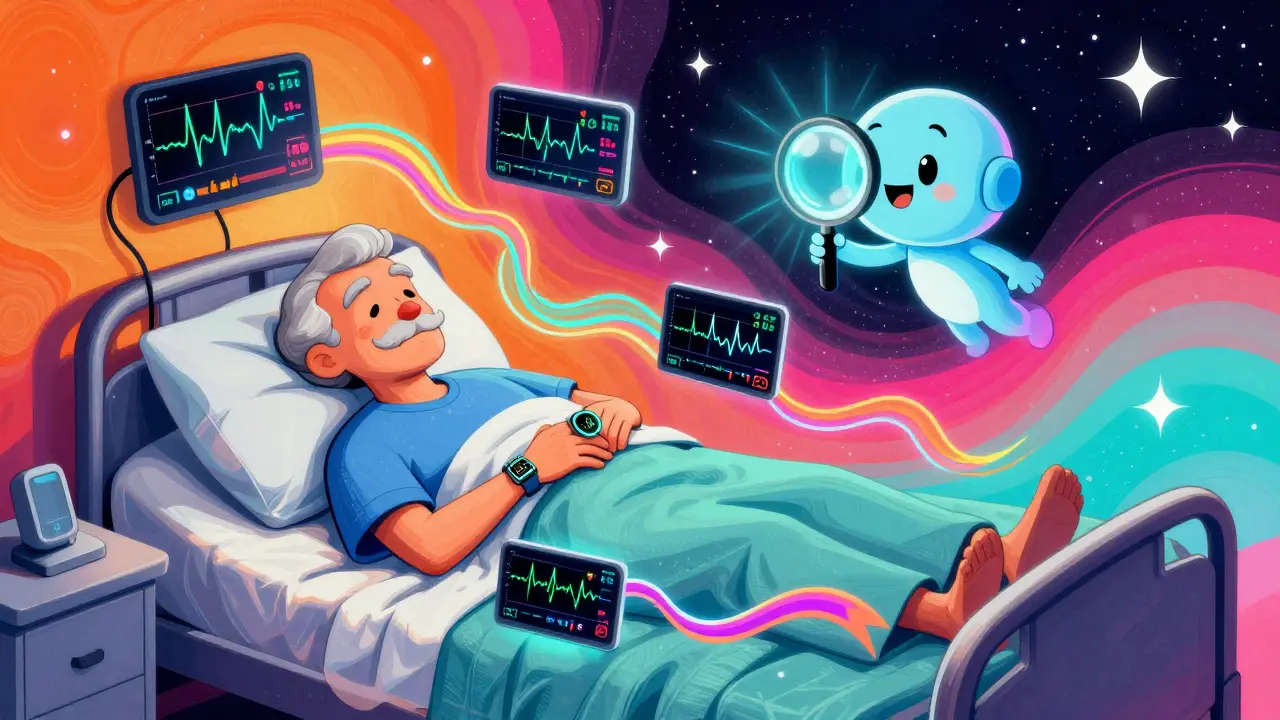
Remote monitoring for medication side effects isn’t just about reminding you to take your pills. It’s about watching your body’s real-time response to those pills. Systems today combine medication tracking with wearable sensors to spot subtle changes - a spike in heart rate, a dip in oxygen levels, even slight tremors or slowed speech - that could signal an adverse reaction. These tools don’t wait for you to feel sick. They flag patterns. For example, if you start a new beta-blocker for high blood pressure and your heart rate variability drops 18% over two days, the app doesn’t just notify you. It alerts your doctor with context: “Patient took Lisinopril at 8 AM daily. HRV down 18% since Day 3. No recent illness reported.” That’s the difference between reacting to a crisis and preventing one.Top Platforms Doing This Right in 2026
Not all apps are created equal. Some just send reminders. Others are built like medical diagnostic tools. AiCure uses your smartphone camera to watch you swallow your pill - and then analyzes your facial movements for signs of drowsiness, confusion, or unsteady motion. It’s used in clinical trials and has 96.7% accuracy in confirming medication intake. Its AI can detect subtle changes in blink rate or lip movement that humans miss. But it’s expensive - $249 per patient per month - so it’s mostly used in research or high-risk cases, not everyday care. Medisafe (version 8.3, released January 2025) is more accessible. It works with 78 wearables, including Apple Watch Series 9 and Fitbit Charge 6. It tracks heart rate variability, sleep quality, and activity levels. If your HRV drops more than 15% from your personal baseline for 48 hours, it sends an alert. This feature was validated by Massachusetts General Hospital and is now used by over 1.2 million patients. The annual cost for clinics is $99 per patient - a fraction of AiCure’s price. Mango Health (v5.2.1) takes a different approach. Instead of sensors, it asks you to type how you’re feeling. Then it uses natural language processing to compare your words - “I feel foggy,” “my hands shake,” “I’m dizzy after lunch” - against the FDA’s database of over 1.5 million reported side effects. It’s 89.3% accurate at spotting potential matches, according to a study in the Journal of Medical Internet Research. But it’s not perfect. Some users say it over-alerts, turning normal fatigue into a red flag. HealthArc stands out for its depth. It pulls data from 42 different medical devices - glucose monitors, blood pressure cuffs, pulse oximeters - and runs them through its Adaptive Side Effect Detection Engine. It knows that a combination of low potassium, rising creatinine, and sudden fatigue might point to a diuretic reaction. It maps over 1,850 medication-side effect relationships. The catch? It takes nearly 15 hours of training for staff to use it well. Pill Identifier & Med Scanner (v2.3, July 2025) doesn’t monitor your body. But it does something critical: it scans your pill and confirms you’re taking the right one. With 94.6% accuracy across 15,000+ medications, it prevents mix-ups - especially important for seniors on five or more pills. Its new “Side Effect Sentinel” feature now links your symptom logs to the pill you just scanned, creating a simple but powerful correlation tool.What’s Missing? False Alarms and Bias
No system is flawless. The biggest complaint from doctors? Alert fatigue. A 2025 AMA survey found 68% of providers have turned off alerts because too many were false positives. One patient on antidepressants got 17 alerts in a week for “possible dizziness” - all triggered by her normal morning sluggishness. Worse, there’s bias. Preliminary CMS data shows AI systems generate 23% fewer alerts for elderly African American patients compared to white patients with the same symptoms. Why? The training data was skewed. Most early datasets came from younger, white, urban populations. The FDA now requires all side effect algorithms to be tested across age, gender, and racial groups - a rule issued in February 2025. But adoption is still uneven. Another gap? Distinguishing side effects from disease symptoms. If you have heart failure and your heart rate spikes after taking a new diuretic, is that the drug or your condition worsening? Current systems struggle with this. The Mayo Clinic’s solution? Combine remote monitoring with genetic testing. Their RIGHT Study found that patients with certain gene variants had a 67% lower risk of adverse reactions when their meds were adjusted based on DNA. That’s the future: personalized, not just digital.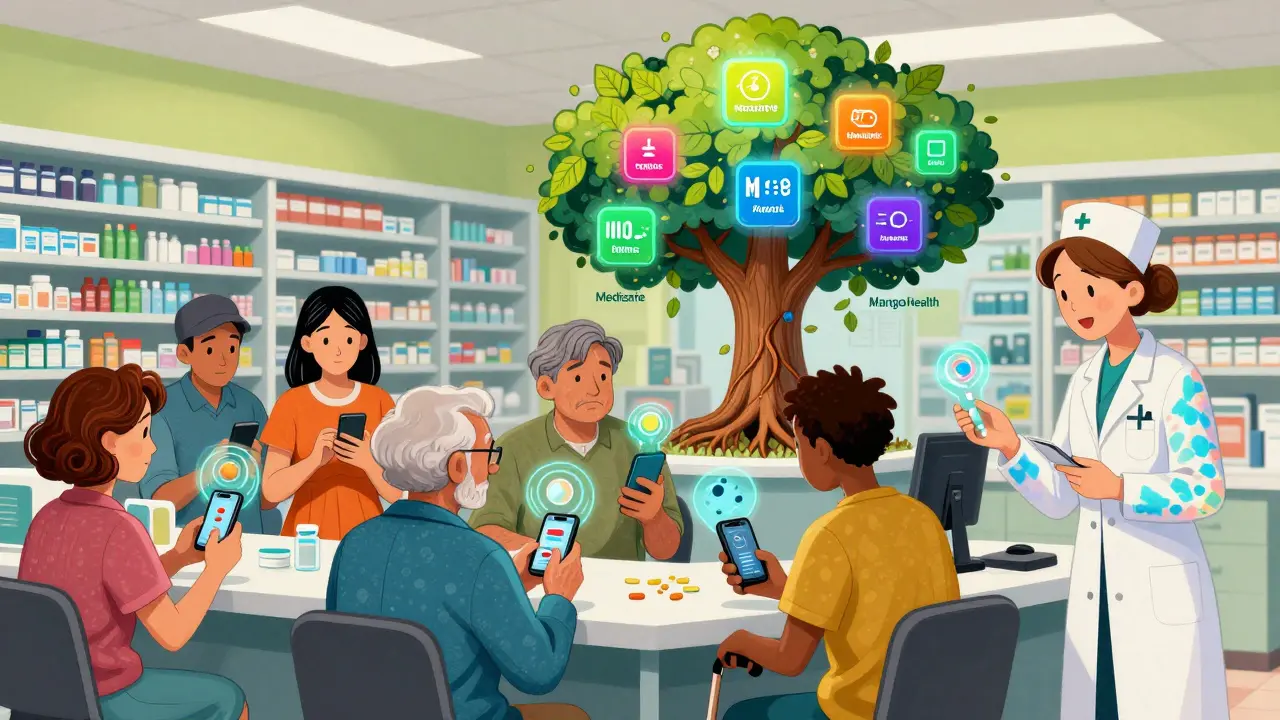
Who’s Using This, and How?
Adoption is accelerating. In 2022, only 32% of U.S. hospitals with 500+ beds used any form of remote side effect monitoring. By 2025, that jumped to 78%. Why? Two big reasons: First, The Joint Commission updated its National Patient Safety Goals in 2024 to require “proactive monitoring for high-risk medications.” Hospitals had to respond. Second, Medicare now pays for it. In late 2024, CMS expanded its Remote Therapeutic Monitoring (RTM) codes to include medication side effect tracking. Clinics can now bill $52-$67 per patient, per month - a real incentive. Successful programs have structure. Geisinger Health, which monitors 12,000 chronic disease patients, hires “digital health navigators.” These aren’t tech support. They’re nurses trained to walk patients through device setup, explain alerts, and reduce anxiety. Their patient engagement rate? 89%. The industry average? 63%.What You Need to Get Started
If you’re a patient:- Ask your doctor if your medication is high-risk (e.g., blood thinners, antipsychotics, chemotherapy). These are the ones most likely to benefit from monitoring.
- Check if your pharmacy or clinic partners with Medisafe or Mango Health - many offer free access.
- Make sure your phone runs iOS 15+ or Android 10+. Older devices can’t handle the AI processing.
- Don’t ignore alerts - but don’t panic either. Track patterns over days, not minutes.
- Platforms like mySeniorCareHub (launched Feb 2025) let you manage multiple medications, set reminders, and get alerts if a new drug interacts with an existing one.
- Use the Pill Scanner to avoid mix-ups. Seniors often take similar-looking pills from different bottles.
- Set up cellular-enabled devices if Wi-Fi is unreliable. Medtronic’s CareLink system maintains 99.2% uptime even without home internet.
The Future: Smarter, Safer, Personalized
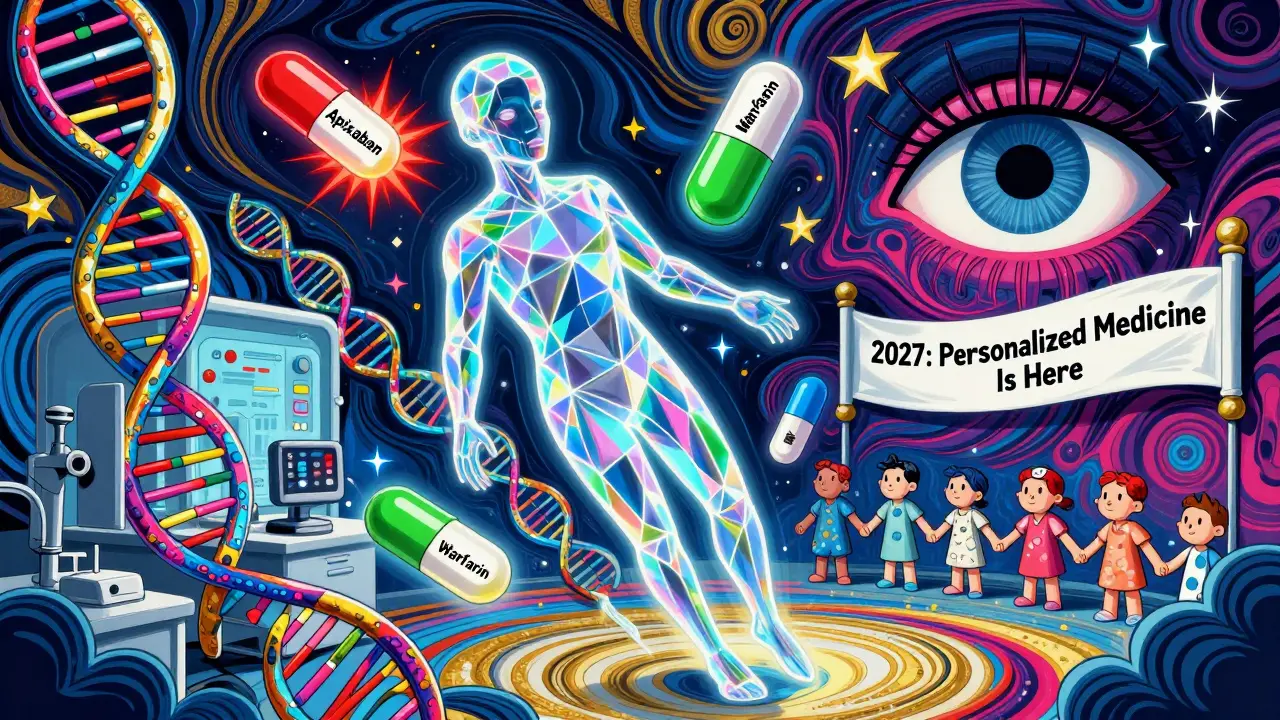
By 2027, AI-driven side effect monitoring is projected to prevent 1.2 million hospitalizations and save $14.7 billion annually. But the real breakthrough will come from combining these tools with pharmacogenomics - using your DNA to predict how you’ll react to drugs before you even take them. AiCure is already testing “Digital Twin” models - virtual replicas of a patient’s body that simulate how a drug will affect them. Early trials show a 43% improvement in predicting individual side effect risks. Imagine: your doctor doesn’t guess which blood thinner to prescribe. The system runs a simulation on your digital twin and says, “Try Apixaban. Warfarin will cause a 72% higher risk of bleeding in your genetic profile.” Privacy remains a concern. A 2025 KLAS survey found 72% of patients fear their side effect data could be used by insurers to deny coverage. Current HIPAA rules don’t fully protect this type of sensitive, predictive health data. Regulation is catching up - slowly.Final Thoughts
Remote monitoring for medication side effects isn’t science fiction. It’s here. And it’s working. But it’s not magic. It needs smart use, good data, and human oversight. The best tool is useless if you don’t trust it - or if it keeps yelling fire when there’s only smoke. The goal isn’t to replace your doctor. It’s to give them better eyes. And to give you peace of mind that your meds aren’t quietly hurting you.Can remote monitoring apps replace regular doctor visits?
No. These apps are early warning systems, not replacements. They catch subtle changes between visits, but they can’t perform physical exams, order lab tests, or adjust complex medication regimens. Always follow up with your provider, especially if you get repeated alerts or feel worse.
Are these apps covered by insurance?
For Medicare and many private insurers, yes - if your provider bills under Remote Therapeutic Monitoring (RTM) codes. The monthly reimbursement is $52-$67 per patient. Some apps like Medisafe offer free access through clinics. Direct-to-consumer subscriptions (like AiCure) are usually not covered.
Do I need a smartwatch to use these apps?
Not always. Apps like Mango Health rely on your phone’s sensors and your symptom logs. But for the most accurate side effect detection - especially for heart rate, sleep, or activity changes - a compatible wearable like Apple Watch or Fitbit is strongly recommended. The data is far more reliable than manual entry.
What if I’m not tech-savvy? Can older adults use these tools?
Yes - but they need support. Simple apps like Pill Identifier & Med Scanner or mySeniorCareHub are designed for low-tech users. Many hospitals and pharmacies offer free setup help. Cellular-enabled devices (like Medtronic’s CareLink) remove Wi-Fi dependency. The key is starting with one function - like pill scanning or daily check-ins - and adding features slowly.
How accurate are these apps at detecting real side effects?
Accuracy varies. AiCure’s ingestion verification is 96.7% accurate. Mango Health’s symptom analysis hits 89.3%. But false positives happen in 18-22% of cases. That’s because side effects often mimic symptoms of the underlying illness. The best systems combine multiple data points - medication timing, vital signs, and patient input - to reduce errors. No single metric is enough.
Is my data safe?
Most reputable apps use HIPAA-compliant encryption and store data securely. But side effect data is uniquely sensitive - it can reveal mental health conditions, chronic illnesses, or genetic risks. A 2025 study found 72% of patients worry insurers might use this data to deny coverage. Ask your provider how data is shared and whether it’s anonymized before being used for research.
Susannah Green
January 22, 2026 AT 17:57Medisafe’s integration with Apple Watch is a game-changer-I’ve been using it for my beta-blocker and caught a 20% HRV drop before I even felt dizzy. My cardiologist was shocked I didn’t go to the ER. No more guessing if it’s the meds or just bad sleep.
charley lopez
January 23, 2026 AT 10:50The data integrity of HealthArc is impressive, but the 15-hour training curve is a non-starter for community clinics with 3 FTEs. Until there’s a standardized API layer for EHR integration, adoption will remain siloed in academic centers.
Sue Stone
January 23, 2026 AT 13:45I tried Mango Health for a month. Got 14 alerts for ‘possible dizziness’-turned out I just needed more coffee. It’s cute, but it’s like a smoke alarm that goes off when you toast bread.
Anna Pryde-Smith
January 24, 2026 AT 03:35Why are we even talking about apps when the real problem is doctors who don’t listen? My sister got 37 alerts from AiCure and her PCP just said ‘it’s probably anxiety.’ Tech doesn’t fix bad medicine.
Andrew Smirnykh
January 25, 2026 AT 12:26Interesting how the bias in training data mirrors broader healthcare disparities. I’m Nigerian, and my cousin’s AI system flagged his fatigue as ‘non-concerning’ while his white coworker got 5 alerts for the same symptoms. This isn’t just a tech issue-it’s a justice issue.
Vanessa Barber
January 26, 2026 AT 13:31So let me get this straight-we’re trusting AI to diagnose side effects but can’t even get pharmacies to stop giving people the wrong pills? This feels like putting a seatbelt on a horse carriage.
Kerry Evans
January 27, 2026 AT 13:06Everyone’s obsessed with the apps, but nobody’s talking about the elephant in the room: these tools are designed for people who can afford $99/month subscriptions, own a smartphone, and speak fluent English. What about the 40% of elderly patients on fixed incomes who use flip phones and rely on their grandkids to read labels? This isn’t innovation-it’s exclusion dressed up as progress.
The FDA’s new diversity mandates are a start, but without mandatory inclusion of rural, low-income, and non-English-speaking populations in validation studies, we’re just building better tools to ignore the people who need them most.
And don’t get me started on the ‘digital health navigators’-sounds noble, but it’s just nursing staff with extra titles and zero additional pay. They’re being asked to be therapists, tech support, and compliance officers-all on a $60k salary.
Meanwhile, the real cost savings? Those come from preventing hospitalizations. But hospitals don’t care about prevention-they care about billing. RTM codes are a band-aid on a hemorrhage.
And yes, I know AiCure’s 96.7% accuracy sounds amazing, but that’s lab conditions. In the real world, with dim lighting, shaky hands, and patients who forget to look at the camera? More like 72%. They’re cherry-picking their data.
Also, why is no one mentioning the liability? If an app misses a side effect and you die, who’s responsible? The developer? The doctor? The patient who didn’t tap ‘I feel fine’? The legal framework doesn’t exist.
And the ‘digital twin’ hype? That’s 10 years away from mainstream use. Don’t confuse research pilots with real-world scalability. We’re not even close to personalized medicine at scale.
And yes, I’ve read the KLAS survey. 72% fear insurance misuse? That’s not paranoia. That’s lived experience. We’ve seen this movie before with genetic testing and life insurance denials.
So yes, these tools have potential. But until we fix the system that rewards volume over value, and profit over equity, we’re just giving patients shiny toys while the house burns down.
Janet King
January 28, 2026 AT 05:31My mother uses Pill Identifier & Med Scanner. She’s 82. No smartphone skills. But she can scan a pill and hear it say the name out loud. That’s all she needs. Simple works.
Stacy Thomes
January 29, 2026 AT 15:16THIS IS THE FUTURE AND I AM SO READY. My dad’s on 7 meds and I used to panic every time he looked a little off. Now I get a gentle alert if his sleep drops or his steps halve. I sleep better. He feels safer. This isn’t tech-it’s peace of mind.
Kerry Moore
January 30, 2026 AT 08:04While the technological advancements described are commendable, it is imperative to acknowledge that the efficacy of these systems remains contingent upon the fidelity of input data, the integrity of algorithmic training sets, and the clinical judgment of human providers. Overreliance on automated alerts may inadvertently erode the therapeutic relationship, which remains the cornerstone of safe pharmacotherapy.
dana torgersen
January 31, 2026 AT 01:12ok so like… i get that the tech is cool but… like… what if your phone dies? or you forget to charge it? or your wifi goes out? or you’re just… tired of being monitored? i mean… do we really want to live in a world where your body is a dashboard? and what if the app says you’re fine but you feel like you’re dying? who do you trust? the machine or your own skin?
also… why is everyone so obsessed with accuracy percentages? 89%? that means like… 1 in 10 times it’s wrong? that’s like rolling dice with your life.
and… i’m just saying… if your doctor is relying on an app to tell them you’re having a reaction… maybe they should’ve been listening harder in the first place?
Oladeji Omobolaji
January 31, 2026 AT 02:40Back home in Nigeria, we don’t have smartwatches. We have relatives who check if you’re breathing. Sometimes that’s enough.
Laura Rice
February 1, 2026 AT 07:46I just want to say thank you to the person who wrote this. My mom had a near-fatal reaction to a new blood pressure med, and we had no idea until she collapsed. If this tech had been around… I don’t know. But I’d like to believe she’d still be here. Please don’t let this become a luxury. It should be a right.