Prior Authorization for Generics: Why Insurance Requires Approval Now
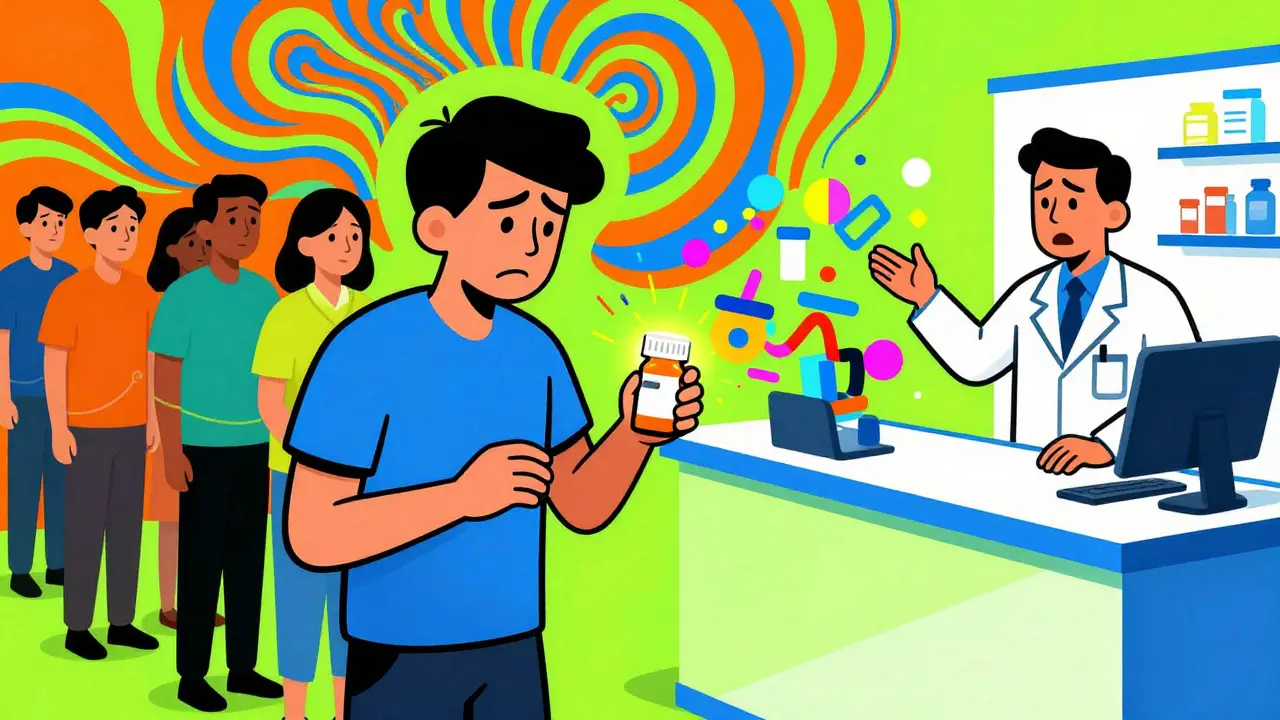
Imagine this: you have high blood pressure. Your doctor prescribes lisinopril, a common, inexpensive generic drug that has been saving lives for decades. You take the prescription to the pharmacy, but instead of walking out with your medication, the pharmacist tells you it’s on hold. The insurance company needs "prior authorization."
You might be thinking, "Wait, isn’t prior authorization only for expensive brand-name drugs?" For years, that was the rule of thumb. But the landscape of health insurance has shifted dramatically. Today, getting pre-approval for generic medications is no longer rare-it’s becoming a standard hurdle for millions of patients.
This trend feels backward. Generics are supposed to be the easy, cost-saving option. So why do insurers now require clinical proof before covering them? Understanding this process can save you weeks of delays and potentially serious health risks.
The Shift: Why Generics Need Pre-Approval
Prior authorization (PA) was originally designed in the 1990s as a tool for Health Maintenance Organizations (HMOs) to manage costs by steering patients away from expensive new brand-name drugs toward cheaper alternatives. It made sense then. If a patient wanted a $500 brand-name pill when a $10 generic existed, the insurer said, "Show us why you need the expensive one first."
However, the dynamic has flipped. According to data from IQVIA in 2023, generics account for approximately 90% of all prescriptions filled in the United States. Because they are so widespread, some insurers now use prior authorization not just to control brand spending, but to manage specific therapeutic classes or enforce "step therapy" protocols even among generics.
A 2024 analysis by the Generic Pharmaceutical Association reveals that generics now face prior authorization requirements in 15-20% of cases. Compare that to 2018, when only about 5% of generics required this step. This isn't a glitch; it's a strategic shift by Pharmacy Benefit Managers (PBMs) and insurers to maximize rebate negotiations and control formulary placement.
Pharmacy Benefit Manager (PBM): A third-party administrator that processes and manages prescription drug claims for private health insurers, health maintenance organizations, pharmacies, governmental agencies, and hospitals. PBMs negotiate prices with drug manufacturers and determine which drugs are covered under an insurance plan’s formulary.
The result? Even first-line treatments-medications doctors typically prescribe first because they are safe and effective-are hitting administrative walls. Common drugs like metformin for diabetes or levothyroxine for thyroid issues are increasingly subject to these checks.
How the Process Works for Generics
When your doctor prescribes a generic that requires prior authorization, the workflow looks similar to brand-name requests, but the stakes feel different because the drug is usually cheap and essential. Here is what happens behind the scenes:
- Prescription Submission: The pharmacy attempts to bill the insurance claim electronically.
- Rejection Code: The PBM’s system flags the drug, returning a rejection code indicating "Prior Auth Required."
- Clinical Documentation: Your provider must submit proof of medical necessity. This often includes specific ICD-10 diagnostic codes, lab results (like HbA1c levels for diabetes), or notes showing why other options failed.
- Review Period: An insurance reviewer assesses the documentation against their clinical guidelines.
- Decision: You get approved, denied, or asked for more information.
The timeline varies wildly. Cigna states decisions typically come within 5-10 business days. Mayo Clinic notes it can range from "a few days to a few weeks." In urgent cases, providers can request "expedited" status, which Cigna processes within 72 hours, though real-world responsiveness depends heavily on the carrier.
The burden falls squarely on healthcare providers. A 2022 CoverMyMeds survey found that practices complete an average of 43 prior authorizations per physician each week. Shockingly, 38% of those involve generic medications. One healthcare provider on Reddit noted their clinic spends nearly half a full-time employee’s week just handling these admin tasks for generics.

Generics vs. Brand-Name Prior Authorization
To understand why this matters, we need to compare how insurers treat generics versus brand-name drugs. While both require approval, the reasons differ significantly.
| Feature | Brand-Name Drugs | Generic Drugs |
|---|---|---|
| Primary Goal of PA | Steer patients to cheaper generics | Enforce step therapy or restrict specific classes |
| Frequency (2024 Data) | ~75% when generic exists | 15-20% of cases |
| Common Triggers | High cost, lack of proven superiority | Specialty generics, oncology, complex chronic conditions |
| Documentation Needed | Proof generic failed or is contraindicated | Specific diagnostic codes, lab values, protocol adherence |
For brand-name drugs, the insurer wants to know, "Why can't you take the generic?" For generic drugs, the question is often, "Have you tried the *other* generic first?" This is known as step therapy. For example, if you need a statin for cholesterol, the insurer might require you to try generic atorvastatin before approving generic rosuvastatin, even if your doctor prefers the latter for your specific metabolic profile.
Specialty generics face the highest hurdles. Oncology generics require pre-approval in 35% of cases, compared to just 12% for cardiovascular generics. Major insurers apply these rules differently too. In 2024, UnitedHealthcare mandated prior authorization for 22% of generics in their formulary, while Aetna required it for 25%.
The Human Cost of Delays
The statistics look dry, but the impact on patients is visceral. The American Medical Association’s June 2023 survey revealed that 93% of physicians report prior authorizations lead to treatment delays. More alarmingly, 24% stated they’ve witnessed serious adverse events directly attributable to these delays, including hospitalizations.
Consider a case study documented by the Kaiser Family Foundation in June 2024. A patient with type 2 diabetes faced a 14-day delay accessing generic metformin due to prior authorization requirements. During that two-week wait, the patient’s HbA1c levels rose from 6.8% to 8.2%. That spike increases the risk of long-term complications like nerve damage and vision loss.
Dr. Robert W. Dubois, Chief Science Officer at the National Pharmaceutical Council, called this trend a "concerning shift that undermines the cost-saving purpose of generic medications." Conversely, Dr. Mark A. Doolittle of America’s Health Insurance Plans (AHIP) argued that utilization management ensures patients receive clinically appropriate treatment. Both sides agree on one thing: the current system is broken.
Patient frustration is palpable online. On Reddit’s r/healthinsurance community, threads about generic metformin or lisinopril requiring prior auth accumulate hundreds of comments. Users share stories of running out of medication, paying out-of-pocket for weeks, or facing dangerous gaps in care for conditions like epilepsy or heart failure.

Strategies to Navigate the System
If you or a loved one faces a prior authorization for a generic, don’t just wait. Proactive steps can speed up the process and reduce stress.
- Use Electronic Submission Platforms: Providers who use platforms like CoverMyMeds reduce approval times by 32% compared to fax or phone submissions. Ask your doctor if they use an ePA tool.
- Request Urgent Status: If missing doses poses a health risk, ask your provider to flag the request as "urgent." Insurers like Cigna commit to processing these within 72 hours.
- Keep Detailed Records: Maintain a log of all communications. The Crohn's & Colitis Foundation notes that 67% of denials can be successfully appealed with additional clinical documentation.
- Check Step Therapy Protocols: Understand exactly what "failed" means to your insurer. Sometimes, providing a note explaining why the previous generic caused side effects (rather than just didn't work) speeds up approval.
- Appeal Denials Immediately: Don’t accept a denial as final. File an internal appeal with your insurer, citing specific clinical guidelines if possible.
Remember, once approved, a prior authorization typically lasts for 12 months, though this duration is determined solely by your insurance carrier. Mark your calendar to renew it before it expires to avoid future gaps.
Regulatory Changes and Future Outlook
There is light at the end of the tunnel. Recognizing the counterproductive nature of these delays, regulators are stepping in. The 2024 Improving Seniors' Timely Access to Care Act mandates electronic prior authorization for Medicare Advantage plans by 2026 and requires decisions within 72 hours for expedited requests.
State-level actions are also gaining momentum. California’s SB 1024, effective January 2025, prohibits prior authorization for medications on the state’s Essential Drug List, which includes 47 commonly prescribed generics. As of 2024, 34 states have implemented restrictions on prior authorization for certain generic medication classes.
In a major industry shift, AHIP announced in June 2025 that major insurers-including CVS Health (Aetna), UnitedHealthcare, Cigna, Humana, Elevance Health, and Blue Cross Blue Shield-agreed to streamline prior authorization processes. Implementation targeted for January 2026 includes standardized electronic templates and the elimination of prior authorization requirements for 12 commonly prescribed generic classes, including ACE inhibitors, statins, and metformin.
The Congressional Budget Office projects a 40% reduction in prior authorization requirements for generics by 2028 if current reform efforts continue. Until then, staying informed and advocating for yourself remains your best defense.
Why would insurance require prior authorization for a cheap generic drug?
Insurers may require prior authorization for generics to enforce "step therapy" protocols, ensuring patients try the cheapest or most standard option first before moving to alternatives. It also helps Pharmacy Benefit Managers (PBMs) manage formulary rebates and control overall drug spending, even for low-cost items.
How long does prior authorization for a generic medication take?
Standard prior authorizations typically take 5-10 business days, though it can range from a few days to a few weeks depending on the insurer. Urgent requests can be processed within 72 hours if flagged correctly by your provider.
What should I do if my generic medication prior authorization is denied?
First, ask your doctor to file an internal appeal with additional clinical documentation. Provide specific reasons why the alternative suggested by the insurer is not suitable for your condition. If the internal appeal fails, you can request an external review by an independent third party.
Are there any laws protecting patients from prior authorization delays?
Yes, federal and state laws are evolving. The 2024 Improving Seniors' Timely Access to Care Act sets stricter timelines for Medicare Advantage plans. Additionally, states like California have banned prior authorization for essential generic drugs. Check your local state regulations for specific protections.
Will prior authorization requirements for generics decrease in the future?
Yes, industry trends suggest a reduction. Major insurers agreed in 2025 to eliminate prior authorization for 12 common generic classes by early 2026. The Congressional Budget Office projects a 40% reduction in generic prior authorization requirements by 2028 due to ongoing regulatory reforms.