Pharmacy Inventory Management: Effective Generic Stocking Strategies for 2025
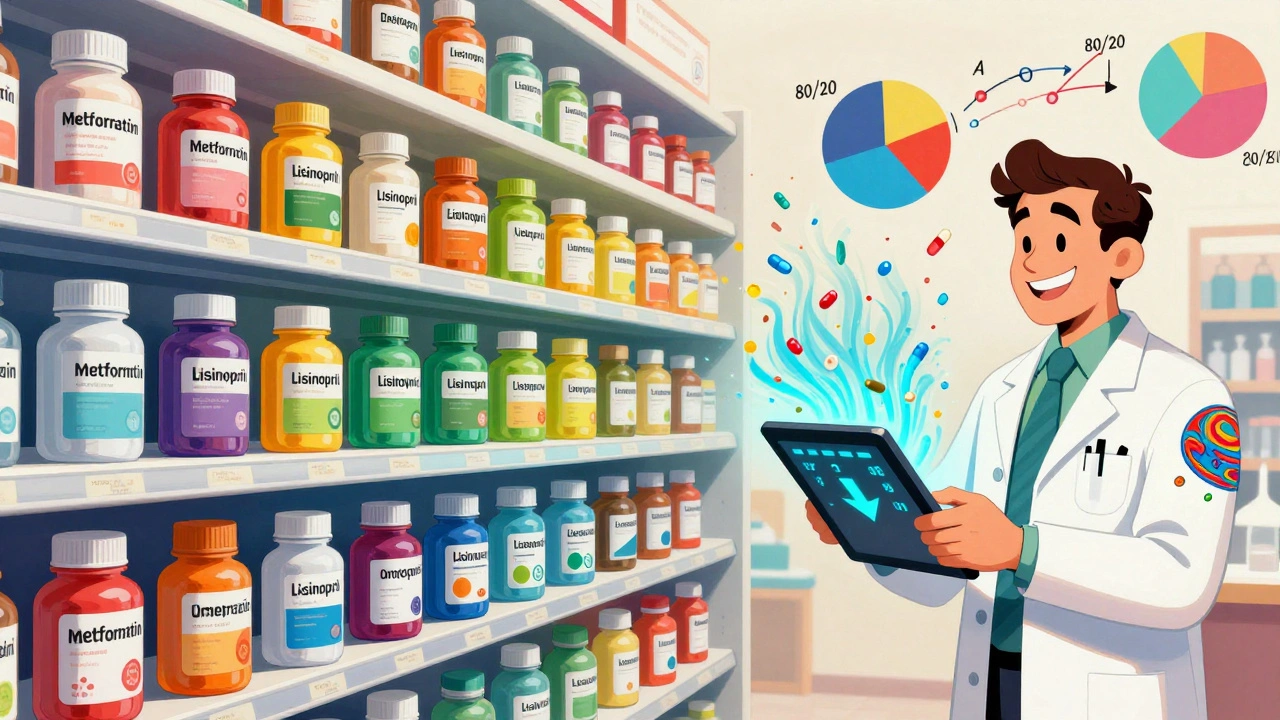
Most pharmacies carry hundreds of medications, but generic drugs are the real backbone of daily operations. They make up 90% of all prescriptions filled in the U.S., yet they account for just 20% of total drug spending. That’s the math that turns inventory management from a chore into a profit center. If you’re still stocking generics the same way you did five years ago-guessing, ordering monthly, or relying on outdated spreadsheets-you’re leaving money on the table. Worse, you’re risking stockouts that send patients elsewhere. The good news? You don’t need a Fortune 500 budget to fix this. You just need the right strategy.
Why Generic Stocking Is Different from Brand-Name Inventory
Generic drugs aren’t just cheaper versions of brand-name pills. They’re a different beast entirely when it comes to inventory. Brand-name drugs often have stable demand, long lead times, and predictable reorder cycles. Generics? They change fast. When a new generic hits the market-say, for atorvastatin or metformin-brand sales can drop 70% in under three months. If your system doesn’t react, you’re stuck with $10,000 worth of expired brand pills collecting dust in the back room.Generics also move in waves. Antacids, laxatives, and blood pressure meds? They’re high-turnover items. You need at least three to four bottles on the shelf at all times. Patients won’t wait. If they see only one bottle left, they assume it’s discontinued or out of stock forever. But a slow-moving generic for a rare condition? That’s a liability. Overstock it, and you’re tying up cash that could be used elsewhere. The key is knowing which is which-and that’s where data beats intuition.
The 80/20 Rule in Pharmacy Inventory
You don’t need to manage every single generic the same way. In fact, you shouldn’t. The 80/20 rule applies hard here: 80% of your drug costs come from just 20% of your inventory. For most pharmacies, that 20% is made up of high-volume generics. These are the medications your patients refill every month-metformin, lisinopril, levothyroxine, omeprazole, simvastatin. These are your profit engines. You want them in stock, always.Meanwhile, the other 80% of your SKUs-low-turnover generics for niche conditions-are the ones that expire. They’re the reason your annual inventory write-offs are higher than they should be. The fix? Treat them differently. Order small. Order less often. Track expiry dates like a hawk. Some pharmacies even set up a “quick-dispense” bin for these items, giving them to patients who need them right away instead of letting them sit for months.
How to Calculate Reorder Points and Quantities
Forget “order when you’re half out.” That’s how you get stockouts. You need math. Here’s the formula every pharmacy should use for high-turnover generics:Reorder Point (ROP) = (Average Daily Usage × Lead Time in Days) + Safety Stock
Let’s say you sell 15 bottles of metformin 500mg per week. That’s about 2.1 bottles per day. Your supplier takes 5 days to deliver. You want a 3-day safety stock buffer. So:
ROP = (2.1 × 5) + 3 = 13.5 → Round up to 14 bottles.
When your inventory hits 14, your system should auto-generate an order. That’s it. No guesswork. No waiting for the pharmacist to notice.
Now, for how much to order: Use Economic Order Quantity (EOQ). It balances ordering costs with holding costs. Most inventory software does this automatically, but here’s the simplified version:
EOQ = √[(2 × Annual Demand × Order Cost) / Holding Cost per Unit]
For metformin, if you order 50 bottles at a time, you’re saving on shipping. But if you order 200, you’re paying more in storage and risking expiry. The goal is the sweet spot.
Minimum/Maximum Stocking: The Simplest System That Works
If you don’t have fancy software, start here. Set a minimum and maximum stock level for every generic. For fast-movers like ibuprofen or omeprazole:- Minimum: 10 bottles
- Maximum: 25 bottles
When stock hits 10, order enough to bring it back to 25. No more, no less. This keeps you from overstocking while preventing empty shelves. It’s not perfect, but it’s 10x better than “order every Monday.”
For slow-movers? Flip it. Minimum: 2 bottles. Maximum: 8. Order only when you hit 2. This prevents dead stock.
Track Expiry Dates Like Your Business Depends on It
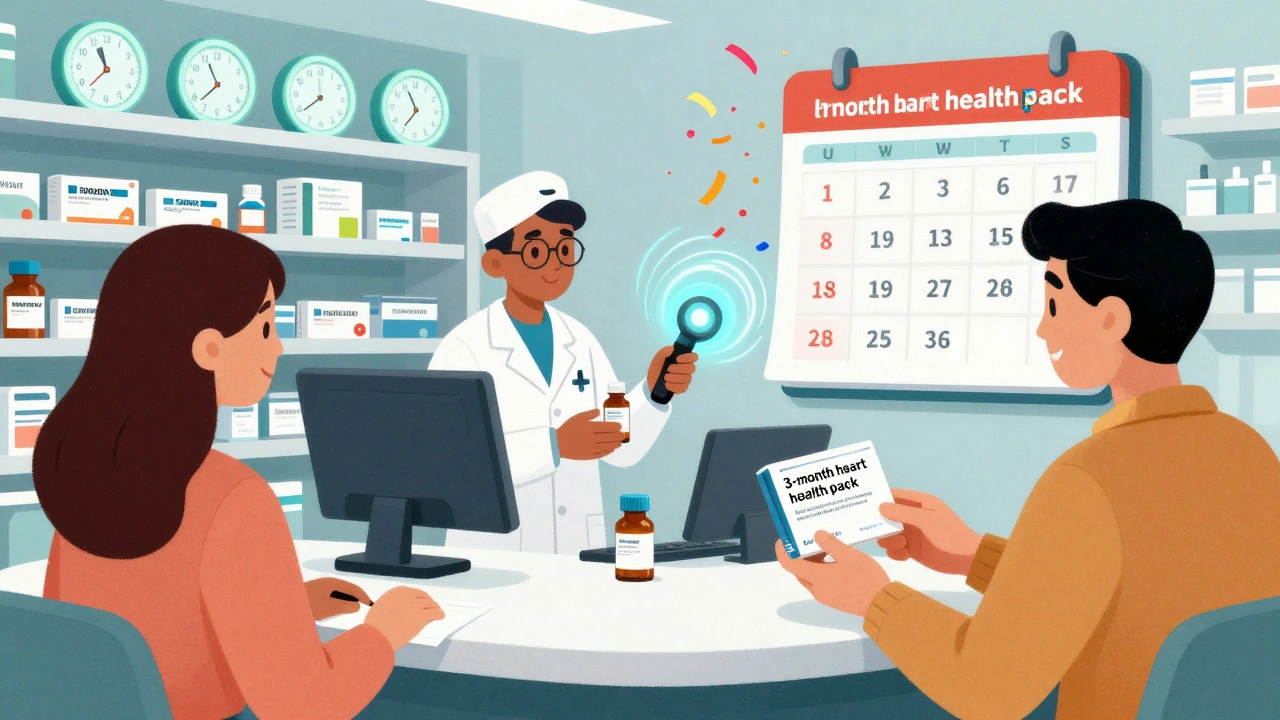
It does. Generic manufacturers often produce in bulk to keep prices low. That means some batches have shorter shelf lives. A bottle of generic amoxicillin might expire in 18 months instead of 24. If your system doesn’t flag that, you’re rolling the dice.Every pharmacy should have a weekly “expiry check” routine. Use your inventory software to generate a report of all generics expiring in the next 60 days. Then, do one of three things:
- Offer them to patients who need them now (even if they’re not on refill yet).
- Bundle them into discount packs (e.g., “3-month heart health pack” with generic meds).
- Return them to your wholesaler if they accept expired stock returns.
One independent pharmacy in Ohio cut its expired inventory losses by 40% in six months just by doing this weekly check. No software upgrade needed.
Use Data to Handle New Generic Introductions
When a new generic enters the market, don’t just add it to your shelf. Watch it. Track how fast it replaces the brand. Some patients switch immediately. Others wait for their doctor to approve it. Some never switch at all.Here’s what to do:
- For the first two weeks, keep both the brand and generic in stock.
- Track daily sales of both. If the brand drops below 10% of its previous volume, reduce its order size by 50%.
- At week three, stop ordering the brand entirely. Keep the generic stocked at 1.5x the brand’s former volume.
- Use the open-to-buy formula to adjust your budget: Planned Sales + Planned Markdowns + Planned End of Month Inventory - Planned Beginning of Month Inventory.
This is where software with “generic transition protocols” shines. Pharmacies using these tools report 28% fewer inventory imbalances during brand-to-generic shifts. If your system doesn’t have this feature, do it manually. It’s worth the effort.
Staff Training and SOPs Are Non-Negotiable
No system works if your staff doesn’t use it right. One pharmacy in Texas lost $1,200 in sales over three months because metformin kept running out. Why? The techs weren’t trained to check inventory levels before closing. They assumed the system would order it. It didn’t-because the lead time was set to 7 days, and they waited until day 6 to notice.Create simple SOPs for inventory tasks:
- Receiving: Always scan the barcode and verify lot number and expiry date.
- Dispensing: If a patient returns an unopened generic, put it back in stock within 24 hours.
- Ordering: Only place orders when the system triggers it. Don’t override unless you have a clinical reason.
Train your team for 2-4 weeks. Then, do weekly cycle counts on your top 20 generics. Fix discrepancies immediately. This alone can reduce inventory errors by 22%.

What the Best Pharmacies Are Doing in 2025
Top-performing pharmacies aren’t just managing inventory-they’re predicting it. They use AI tools that:- Adjust reorder points automatically when seasonal demand shifts (e.g., more antihistamines in spring).
- Flag when a new generic is approved by the FDA and suggest a stocking plan within 24 hours.
- Sync refill schedules to make demand more predictable. A patient on a 30-day refill for lisinopril? Schedule their refill for the same day every month. That’s one less variable to guess.
Some are even using therapeutic interchange protocols with doctors. If a patient’s brand-name drug is out of stock, the pharmacist can automatically switch to a generic-no call needed-because they have a collaborative practice agreement in place. That’s legal in 17 states as of 2023, and growing.
And here’s the kicker: Pharmacies using these advanced methods see 12-18% higher inventory turnover. That means faster cash flow, less waste, and more money in your pocket.
Common Mistakes and How to Avoid Them
Don’t fall into these traps:- Overstocking slow-movers: Just because it’s cheap doesn’t mean you should buy 1,000 bottles. Start with 10-20. See how it sells.
- Ignoring supplier lead times: Your vendor says “3-day delivery,” but it’s really 7. Adjust your safety stock accordingly.
- Not tracking COGS: Which generics give you the best margin? Track it. Some generics cost you more to store than they earn you in sales.
- Waiting for problems to happen: Don’t wait for a stockout to fix your system. Review your inventory every Monday. Make one adjustment. That’s it.
One pharmacy owner told me he fixed his entire inventory problem by just checking his top 10 generics every morning before opening. Five minutes. One decision. No software needed.
Where to Start Today
You don’t need to overhaul everything tomorrow. Start here:- Pick your top 5 high-volume generics (metformin, lisinopril, etc.).
- Calculate their ROP using the formula above.
- Set minimum and maximum levels.
- Run a weekly expiry report.
- Train your staff to return unclaimed generics to stock.
Do that for one month. Then add five more. In three months, you’ll have a system that runs itself. And you’ll be saving money every week.
Generic drugs are the future of pharmacy. The ones who master their inventory will thrive. The ones who ignore it will keep wondering why their margins are shrinking.
How many generics should I keep in stock at all times?
For fast-moving generics like metformin, ibuprofen, or omeprazole, keep at least a week’s supply-typically 7 to 10 bottles. For slower-moving generics, 3 to 5 units is enough. The goal is to avoid stockouts without overstocking. Use your sales history to determine exact numbers.
What’s the best way to track generic drug expiry dates?
Use inventory software that flags items expiring in the next 30, 60, or 90 days. If you don’t have software, create a printed weekly list and assign someone to review it every Monday. Move expiring stock to the front of the shelf and offer it to patients first. Return unused stock to your supplier if possible.
Should I stock both brand-name and generic versions of the same drug?
Only during the transition period after a new generic launches. Keep both for the first 2-3 weeks while you track sales. Once the brand’s sales drop below 10% of its previous volume, stop ordering it. Holding onto old brand-name stock too long leads to waste and lost cash flow.
How often should I review my generic inventory?
Review your top 20 generics weekly. Check stock levels, expiry dates, and sales trends. Make one adjustment each week-maybe lowering the max for a slow-mover or increasing the reorder point for a high-demand item. Monthly reviews are too late. Daily checks are overkill. Weekly is the sweet spot.
Can I use free inventory software for generics?
Basic free tools won’t handle the complexity of generic transitions, expiry tracking, or reorder calculations. You need software that supports dynamic inventory rules, supplier lead time adjustments, and COGS tracking. Look for pharmacy-specific systems with generic stocking modules. The investment pays for itself in reduced waste and fewer stockouts.
What’s the biggest mistake pharmacies make with generic inventory?
Waiting for problems to happen before acting. Many pharmacies only fix inventory issues after a stockout or after generics expire. The best pharmacies act before the problem occurs. They use data to predict demand, not react to it. That’s the difference between surviving and thriving.
Webster Bull
December 12, 2025 AT 21:04Just started using the min/max system last month and my stockouts dropped by 60%. No software, just a whiteboard and a habit.
kevin moranga
December 14, 2025 AT 03:51Man, this post hit home. I used to guess my orders like a gambler-‘eh, metformin looks low, I’ll order 50.’ Now I use the ROP formula and it’s like magic. My warehouse manager even asked if I hired a consultant. I just followed the math. The biggest win? I stopped throwing out $3k worth of expired lisinopril every year. Turns out, if you track expiry dates like your rent’s due, you don’t get surprised when stuff goes bad. I started doing a weekly 10-minute check on Fridays. Just scan the next 60 days. If something’s expiring in 45 days and we only sell 2 bottles a week? Offer it as a discount bundle. Patients love it. One guy came in for blood pressure meds and walked out with a ‘heart health pack’ with three generics. Said he felt like he scored a deal. We made $40 profit on it. And the best part? No one ever complained about the expiration date. They just wanted the meds. I used to think inventory was boring. Now I treat it like a puzzle. Every bottle has a story. Some are heroes, some are liabilities. You just gotta know which is which.
Donna Hammond
December 14, 2025 AT 12:42One thing people overlook is the return policy with wholesalers. Most think they’re stuck with expired stock, but a lot of distributors will take back unopened generics within 30-60 days of expiry if you’re a regular customer. I called mine last year and they gave me credit for 18% of my expired inventory. That’s like free money. Also, train your techs to scan every box on receipt-not just the bottle. Lot numbers matter. One batch of generic amoxicillin had a 16-month shelf life instead of 24. We caught it because we scanned the lot. Saved us $2k.
Lauren Scrima
December 15, 2025 AT 04:01Oh wow, you mean… you’re not supposed to just order ‘a bunch’ on Mondays???
Bruno Janssen
December 15, 2025 AT 14:26I used to hate inventory. Felt like I was drowning in spreadsheets. Now I just look at the top 5. Five minutes a day. That’s all it takes. Everything else? It’ll still be there tomorrow.
Scott Butler
December 15, 2025 AT 16:14Stop using free software. If you’re still using Excel for this, you’re one bad update away from losing your entire inventory. This isn’t a hobby-it’s your livelihood. Spend the money. Your patients deserve better than guesswork.
Harriet Wollaston
December 17, 2025 AT 04:13I love how this post doesn’t just throw jargon at you. It says: ‘Here’s what works, here’s why, and here’s how to start today.’ My grandma’s pharmacy in Alabama still uses handwritten logs. I showed her this last week. She said, ‘Well, I’ve been doing the expiry check for 20 years-but I didn’t know it had a name.’ That’s the beauty of this: it’s not about tech. It’s about habits.
Richard Ayres
December 17, 2025 AT 21:25The real innovation here isn’t the formula-it’s the mindset shift. Moving from reactive to predictive. Most pharmacies treat inventory like a fire drill: someone screams, ‘We’re out of metformin!’ and everyone panics. But the top performers treat it like weather forecasting. They watch the trends, adjust for seasons, anticipate patient behavior. One pharmacy I spoke to started syncing refill schedules with calendar dates-same day every month. That reduced variability by 40%. It’s not magic. It’s consistency. And consistency, in a world full of chaos, is the ultimate competitive advantage.
Emma Sbarge
December 18, 2025 AT 09:09I’ve seen pharmacies burn through cash on slow-movers because they thought ‘cheap = good.’ But storage costs, labor, and expired waste add up. I once worked at a place that had 200 bottles of a rare antifungal that expired. Cost $1.20 per bottle. But the labor to manage it, the space it took, the paperwork to dispose of it? That cost $450. The math doesn’t lie. Buy less. Sell more. Simple.