Monitoring During Immunosuppressive Therapy: Essential Lab Tests and Imaging for Safety and Effectiveness
Immunosuppressant Drug Level Checker
Check Your Drug Levels
Enter your measured drug level and see if it's within the safe therapeutic range for your immunosuppressant.
Results
Enter your drug level to see if it's within safe range.
When you’re on immunosuppressive drugs-whether after a kidney transplant, for lupus, or another autoimmune condition-your body is walking a tightrope. Too much suppression, and you’re at risk for serious infections or even cancer. Too little, and your immune system might attack your new organ or flare up your disease. That’s why monitoring during immunosuppressive therapy isn’t optional. It’s the difference between staying healthy and facing life-threatening complications.
Why Monitoring Isn’t Just a Routine Checkup
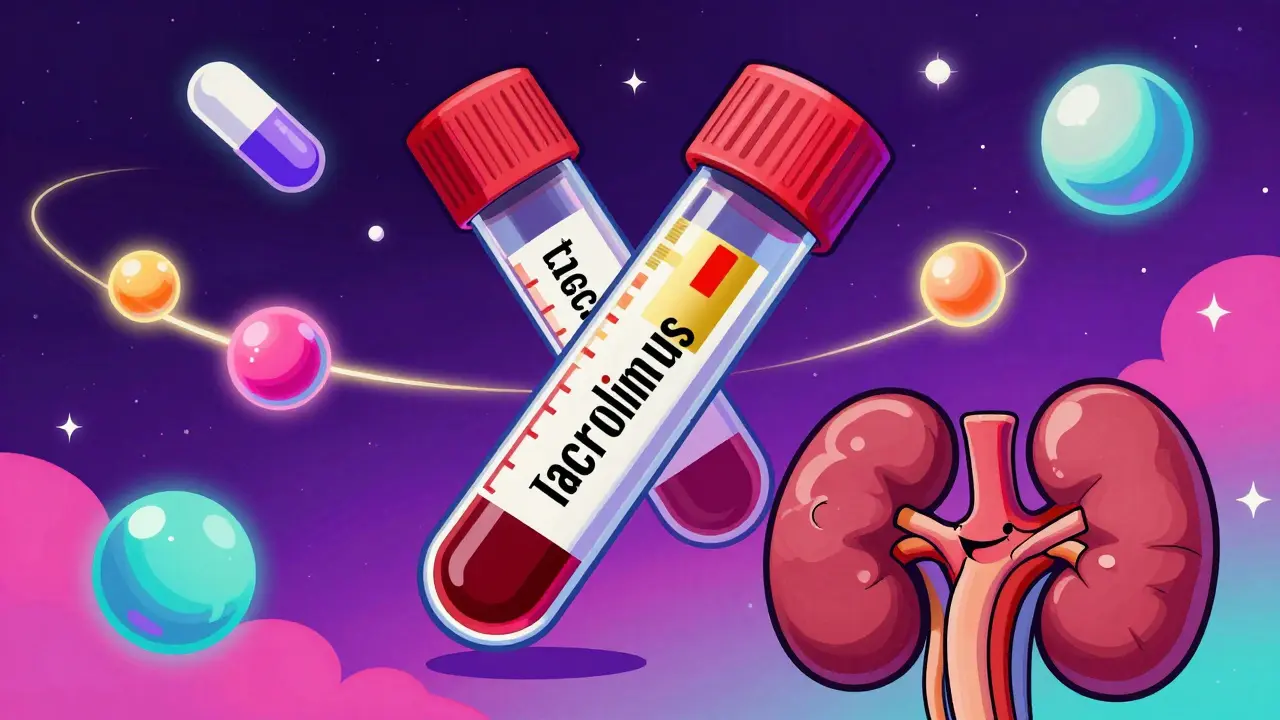
Immunosuppressants like tacrolimus, cyclosporine, and mycophenolate aren’t like regular pills. A tiny change in your blood level can mean the difference between protection and rejection. These drugs have what’s called a narrow therapeutic index: the gap between the dose that works and the dose that harms is razor-thin. Two people taking the same pill, same dose, same weight, can have wildly different blood levels. One might be perfectly safe. The other could be heading for kidney damage or a severe infection. That’s why doctors don’t just prescribe and hope. They track. And they track often-especially in the first year after transplant. Studies show that patients who get regular monitoring have 37% fewer acute rejections and 22% better five-year organ survival than those who don’t. This isn’t guesswork. It’s science backed by decades of data from transplant centers around the world.Therapeutic Drug Monitoring: The Core of Safe Treatment
The backbone of monitoring is therapeutic drug monitoring (TDM). This means regularly measuring how much of the drug is in your bloodstream. Not all immunosuppressants need this, but the big ones do.- Tacrolimus: Target levels are 5-10 ng/mL in the first 3 months after transplant, then lowered to 3-7 ng/mL. Levels above this raise your risk of kidney damage and diabetes. Below it? Rejection looms.
- Cyclosporine: Usually checked as a trough level (just before your next dose), but some centers also measure the 2-hour post-dose level (C2). C2 levels correlate better with rejection risk-so if your center uses it, they’re aiming for precision.
- Sirolimus and Everolimus: Target range is 5-10 μg/L, but evidence linking levels to outcomes is weaker. Still, many centers monitor to avoid side effects like high cholesterol or lung inflammation.
- Mycophenolic acid (MPA): This one’s tricky. Trough levels alone don’t tell the whole story. The best predictor is the area under the curve (AUC)-how much drug is in your system over 12 hours. An AUC between 30-60 mg·h/L gives you an 85% chance of staying rejection-free in the first year.
Routine Blood Tests: More Than Just Drug Levels
Drugs don’t act in a vacuum. They affect your whole body. That’s why regular blood tests go beyond just measuring drug concentration.- Full blood count: Mycophenolate and sirolimus can lower white blood cells, red blood cells, or platelets. A drop in any of these can signal toxicity before you even feel sick.
- Creatinine and electrolytes: Cyclosporine and tacrolimus are hard on the kidneys. A 30% rise in creatinine from your baseline? That’s a red flag for nephrotoxicity. Low magnesium? Common with cyclosporine-up to 60% of patients need supplements.
- Liver function tests: All these drugs are processed by the liver. Elevated enzymes might mean you need a dose adjustment or a switch.
- Glucose and lipids: Tacrolimus increases diabetes risk. Sirolimus can send cholesterol and triglycerides soaring-up to 75% of patients need statins.
- Calcium, phosphate, uric acid: These are checked because immunosuppressants can disrupt mineral balance, leading to bone loss or gout.
Imaging: Seeing What Blood Tests Can’t
Some side effects don’t show up in blood. That’s where imaging comes in.- Renal ultrasound: Done annually or whenever kidney function changes. It checks for blockages, scarring, or reduced blood flow-signs of chronic drug damage.
- Chest X-ray: If you develop a cough, fever, or shortness of breath, this is the first step. Sirolimus and everolimus can cause drug-induced pneumonitis, a rare but serious lung inflammation. X-rays catch it in 70-85% of cases.
- Bone density scan (DEXA): Steroids, often used with other immunosuppressants, weaken bones. After one year of steroid therapy, you should get a baseline scan, then repeat every year if you’re still on them. Osteoporosis in transplant patients isn’t rare-it’s expected without screening.
The Future Is Here: TTV Monitoring
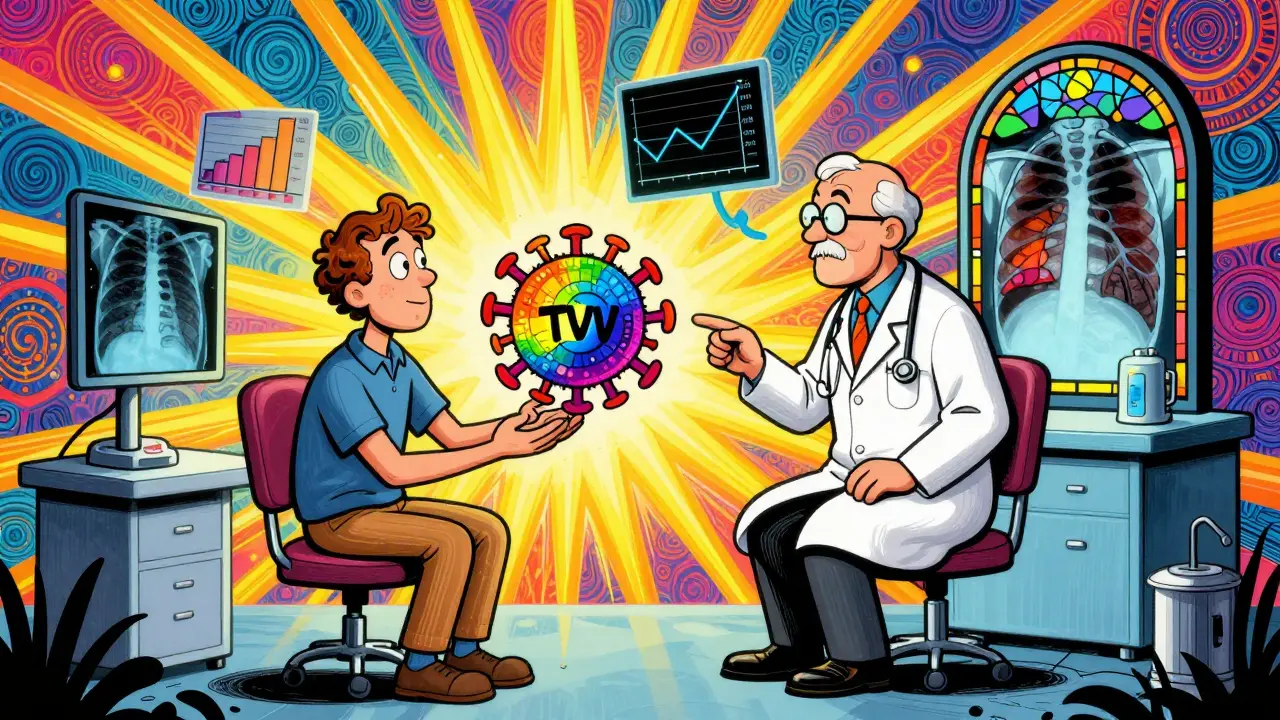
The most exciting development in monitoring isn’t a new drug-it’s a virus. Torque Teno Virus (TTV) is harmless to healthy people. But in transplant patients, it’s everywhere. And here’s the kicker: the amount of TTV in your blood directly reflects how suppressed your immune system is. Low TTV levels? Your immune system is too quiet. Higher rejection risk. High TTV? Your immune system is waking up-but not enough to fight off infections. Studies show patients with TTV levels below 2.5 log10 copies/mL have a 3.2 times higher risk of rejection. Those above 3.5 log10 have a 2.7 times higher risk of infection. The TTVguideIT trial, running since 2020 across 12 countries, is testing whether adjusting drug doses based on TTV levels reduces both rejection and infection. Early results? 28% fewer infections, 22% fewer rejections. That’s huge. It’s not standard yet. Labs don’t all use the same TTV test. Cut-off values aren’t universal. But the data is strong. The TAOIST trial in France, launching in 2024, will test TTV for long-term monitoring beyond the first year. This isn’t science fiction-it’s the next step in personalized care.Challenges: Cost, Access, and Human Factors
Even with all this science, real-world monitoring isn’t perfect. A 2022 survey of 150 transplant centers found:- 68% had inconsistent monitoring practices across departments.
- Only 42% used standardized protocols for MPA monitoring.
- 75% said cost was the biggest barrier.
- 63% lacked agreed-upon reference ranges.
What’s Next? AI and Point-of-Care Testing
The future is getting smarter. A 2023 study in Nature Medicine built an AI model that predicted kidney rejection 14 days before symptoms appeared-using only past drug levels, TTV readings, and routine lab results. Accuracy? 87%. Soon, you might not need to drive to a lab for a blood draw. Point-of-care devices are in trials-small machines that can measure tacrolimus levels in a drop of blood in under 15 minutes. FDA approval is expected by 2026-2027. Even more futuristic? Breath tests. Researchers are testing whether immunosuppressant metabolites can be detected in exhaled air. No needles. No blood. Just a breath into a device. It’s early, but the potential is enormous.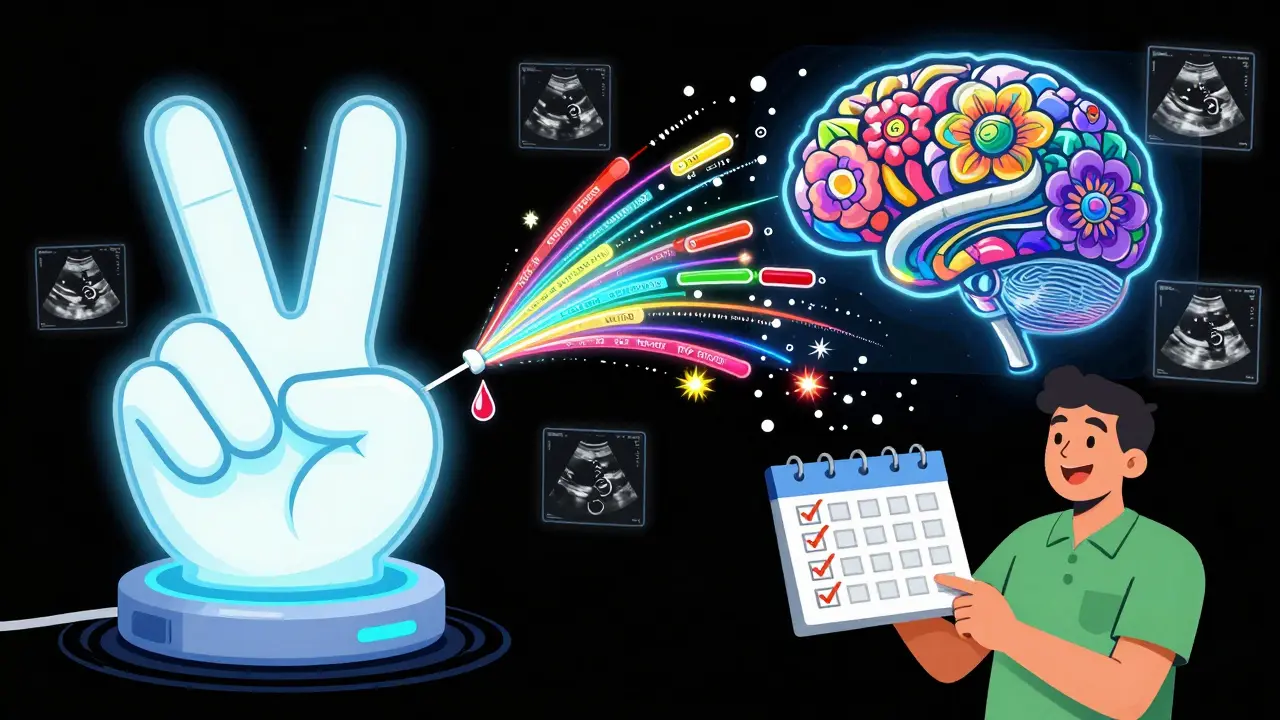
Why This Matters to You
If you’re on immunosuppressants, your care isn’t just about taking pills. It’s about staying engaged. Ask your doctor:- What drug levels are you tracking-and why?
- Are you using LC-MS/MS or immunoassays?
- Do you check TTV? If not, why not?
- When’s my next bone scan or ultrasound?
Cost-Benefit: Is It Worth It?
Yes. A 2022 analysis found that comprehensive monitoring increases annual costs by $2,850 per patient. But it prevents $8,400 in costs from rejections, infections, and hospital stays. That’s a nearly 3:1 return on investment. In countries with universal healthcare, like Australia, this isn’t just a medical decision-it’s a financial one. The system saves money by investing upfront in smart monitoring.What You Can Do Today
- Keep a log of your blood test results. Note dates and values. - Ask for a copy of your drug level reports. Don’t wait for your doctor to explain it. - If you’re on steroids, insist on a bone density scan after one year. - If you’re on sirolimus or everolimus, ask about your cholesterol and lung health. - Stay informed. Ask about TTV monitoring-it’s not in every center yet, but it’s coming fast. This isn’t about fear. It’s about power. The right monitoring turns a high-risk treatment into a manageable, predictable journey.How often do I need blood tests while on immunosuppressants?
In the first year after transplant, expect blood tests every 1-2 weeks initially, then every 2-4 weeks, and eventually every 1-3 months as you stabilize. After the first year, most patients need testing every 3-6 months if stable. The frequency depends on the drug, your condition, and how your body responds. Always follow your transplant team’s schedule-they tailor it to your needs.
Can I stop monitoring if I feel fine?
No. Many serious side effects-like early kidney damage, silent infections, or rising cancer risk-don’t cause symptoms until they’re advanced. You might feel great while your tacrolimus level is slowly climbing toward toxic range, or while your lymphocyte count drops unnoticed. Monitoring catches these before they become emergencies. Skipping tests is like driving with your eyes closed-you might not crash right away, but the risk is too high.
Why is TTV monitoring not used everywhere yet?
TTV monitoring is promising, but it’s still emerging. Not all labs can test for it reliably. There’s no universal standard for what level is “safe”-cut-offs vary by lab, transplant type, and patient background. Regulatory approval for commercial TTV tests is expected in 2025, pending trial results. Until then, many centers stick with proven methods like drug level testing. But it’s rapidly becoming the new standard.
Do all immunosuppressants need blood level monitoring?
No. Calcineurin inhibitors (tacrolimus, cyclosporine), mTOR inhibitors (sirolimus, everolimus), and mycophenolic acid require regular monitoring because their levels vary widely between people and have narrow safety windows. Corticosteroids (like prednisone) and belatacept do not need routine blood level checks. Their effects are tracked through symptoms and lab changes like blood sugar or blood pressure, not drug concentrations.
What should I do if my drug level is too high or too low?
Don’t adjust your dose yourself. Contact your transplant team immediately. A high level might mean you need a lower dose or a temporary hold. A low level might mean you need more-especially if you’ve been vomiting, had diarrhea, or started a new medication that interferes with absorption. Your team will consider your clinical status, recent labs, and symptoms before making changes. Self-adjusting can lead to rejection or toxicity.
Can I reduce my monitoring over time?
Yes, but only under medical supervision. After 1-2 years, if your organ is stable, your drug levels are consistent, and you’ve had no complications, your team may space out tests to every 3-6 months. But even long-term, you’ll still need annual blood work, kidney ultrasounds, and bone density scans. Immunosuppression is lifelong for most transplant patients, so monitoring never truly stops-it just becomes less frequent.
Anna Weitz
December 27, 2025 AT 11:10They say monitoring saves lives but what they dont tell you is who profits from all these tests
Pharma owns the labs owns the machines owns the guidelines
Its not about your health its about keeping the machine running
One drop of blood at a time
Jane Lucas
December 28, 2025 AT 22:14just got my tacrolimus back and it was 11.2
my nurse called within the hour and we dropped my dose
thank god they catch this stuff early
Elizabeth Alvarez
December 29, 2025 AT 10:50Did you know the FDA approved tacrolimus testing kits from a company that donated millions to congressmen
TTV monitoring is real but theyre suppressing it because it cuts into the $300 lab test profit margin
They want you dependent on monthly blood draws
Every time you get poked its another paycheck for the system
Its not medicine its a control grid
They even track your urine now for compliance
Ask your doctor if your lab is owned by a pharmaceutical conglomerate
Miriam Piro
December 29, 2025 AT 15:07TTV is the future but theyre hiding it because Big Pharma hates disruption
They make billions off drug level tests that are outdated and inaccurate
Why do you think LC-MS/MS isnt standard everywhere
Because its too damn accurate and cuts out the middlemen
And dont get me started on how they use cholesterol numbers to push statins
Its all connected
They want you sick and dependent
TTV could set you free
But the system will fight it with every ounce of its corrupted soul
Stay woke
And demand your TTV results
!!!
dean du plessis
December 29, 2025 AT 16:42Been on tacrolimus for 8 years now
Tests every 3 months
Feels like a second job but its better than the hospital
My kidney is still working
So I keep showing up
Its not glamorous but its peace of mind
Kylie Robson
December 30, 2025 AT 08:08Actually the therapeutic window for mycophenolic acid is defined by AUC0-12, not trough, which is why the 30-60 mg·h/L range is evidence-based per the 2021 KDIGO guidelines
And TTV quantification requires digital PCR with a reference material traceable to WHO standard 20/144
Most community labs lack the validation for this
Also sirolimus Cmin is not predictive of pneumonitis risk-serum LDH and KL-6 are better biomarkers
And you need to account for CYP3A4/5 polymorphisms when interpreting tacrolimus levels
Its not just numbers its pharmacokinetic modeling
Caitlin Foster
December 31, 2025 AT 06:17Wait so you're telling me I have to get blood drawn EVERY. SINGLE. MONTH. for the REST. OF. MY. LIFE.
And they want me to care about TTV levels and AUC and LC-MS/MS and DEXA scans and cholesterol and magnesium and...
Can I just... take a nap instead?
Also I love you for writing this but I need a hug and a cookie
Also why does my insurance only cover the $50 test and not the $200 one that doesn't lie??
Also I'm crying now
Also thank you
Todd Scott
December 31, 2025 AT 19:53As someone who's helped set up transplant clinics across Southern Africa, I can tell you this: the science is solid but access is everything
Here in South Africa, we use immunoassays because LC-MS/MS machines cost more than our annual clinic budget
We track creatinine, CBC, and glucose religiously
And we use TTV as a rough proxy when we can afford it-yes, it’s not perfect, but it’s better than nothing
Patients who come in regularly, who keep logs, who ask questions-they do better
It’s not about the fancy tech, it’s about consistency
And community
One nurse, one chart, one patient at a time
That’s how you save lives when the system fails
And yeah, we still use pen and paper
Because sometimes the oldest tools are the most reliable