How to Manage Mild Side Effects Without Stopping a Medication: A Practical Guide
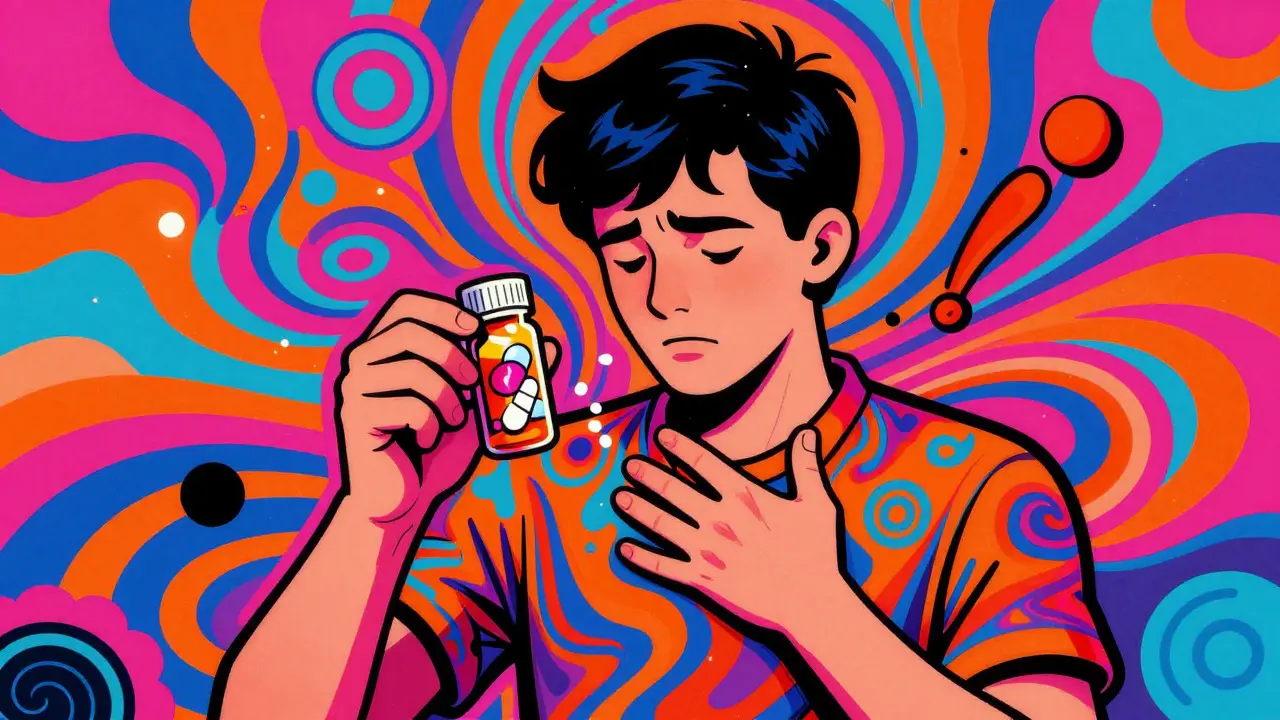
Picture this: You just started a new prescription. It’s supposed to fix your health issue, but within days, you’re feeling nauseous, tired, or uncomfortably dry-mouthed. Your first instinct? Throw the pill in the trash and call it quits. Before you do that, pause. Mild medication side effects are temporary, non-serious reactions that occur in approximately 50-70% of patients starting new pharmaceutical treatments. These reactions typically emerge within the first 1-2 weeks of treatment initiation and often resolve spontaneously as the body adjusts. According to a 2023 systematic review published in the Journal of Clinical Pharmacy and Therapeutics, these common hiccups are not only normal but expected for the majority of people. The problem isn’t the side effect itself; it’s the panic that leads to stopping the medication prematurely. Research shows that 30-50% of all medication discontinuations happen because of manageable side effects that could have been addressed with simple strategies. Let’s look at how you can stay on track without suffering through unnecessary discomfort.
Understanding the Timeline of Adjustment
Your body is essentially running an update when you start a new drug. Just like software, there might be some glitches before everything runs smoothly. Most mild side effects peak during the first week and begin to fade by day seven to fourteen. This window is critical. If you stop now, you lose the therapeutic benefit entirely. Patients who push through this initial adjustment period demonstrate 65-80% higher medication adherence rates at six-month follow-ups compared to those who quit early (Journal of General Internal Medicine, 2021). The key is knowing what to expect so you don’t interpret normal adjustment signals as reasons to abort treatment.
Keep a simple log for the first 72 hours. Note the time you take the medication, what you ate, and any symptoms. This data helps you identify patterns and gives your doctor concrete information if you need to adjust the plan later. Don’t guess-record.
Practical Fixes for Common Symptoms
Generic advice like “take with food” is often too vague to be helpful. Specificity wins here. Here are evidence-based tactics for the most frequent complaints:
- Nausea and Upset Stomach: For 78% of non-antibiotic medications, taking them with milk or a small meal is safe and effective. Avoid spicy foods around your dose time. Drink 8-10 ounces of water with the pill. A 2022 Mayo Clinic study found this approach resolves symptoms in 62% of cases within 72 hours.
- Dry Mouth: Sip 1-2 ounces of water every 15-20 minutes instead of chugging large amounts. Suck on sugar-free sour candies containing citric acid or use xylitol products. Clinical evidence from the Journal of the American Dental Association (2022) shows this improves salivary flow in 79% of patients within two days.
- Diarrhea: Cut out caffeine, acidic foods (pH less than 4.5), and high-fiber meals (>25g daily). If needed, use loperamide under pharmacist guidance, which showed 73% effectiveness in controlled trials (New England Journal of Medicine, 2020).
- Constipation: Increase fluids to 2.5-3 liters daily. Boost fiber intake to 30-35g through fruits and vegetables. Add 30 minutes of daily exercise. This combination resolved symptoms in 68% of patients in a 2021 randomized controlled trial.
- Fatigue: Maintain a balanced diet (45-65% carbs, 20-35% fats, 10-35% protein). Aim for 150 minutes of moderate weekly exercise and 7-9 hours of sleep. NIH data indicates this leads to a 63% improvement in energy levels within two weeks.
| Symptom | Actionable Strategy | Expected Resolution Time |
|---|---|---|
| Nausea | Take with milk/food; drink 8oz water | Within 72 hours |
| Dry Mouth | Sip water frequently; use xylitol/sour candy | Within 48 hours |
| Diarrhea | Avoid caffeine/acidic foods; consult pharmacist for loperamide | Within 3 days |
| Constipation | Increase fluid/fiber; exercise 30 mins daily | Within 1 week |
| Fatigue | Balanced diet; 7-9 hours sleep; moderate exercise | Within 2 weeks |

The Power of Mindset Reframing
Believe it or not, how you think about side effects changes how you feel them. Dr. Alia Crum at Harvard University led research showing that patients who viewed minor sensations as signs their treatment was actively working reported 37% lower anxiety and 29% lower symptom intensity. This “adaptive mindset” approach doesn’t mean ignoring pain-it means interpreting normal adjustment signals correctly. Instead of thinking, “This medicine is hurting me,” try, “My body is adjusting to the new therapy.” This shift is particularly effective for medications with high placebo response rates, such as antidepressants and blood pressure meds. However, reserve this technique for truly mild issues. Never use mindset reframing for serious symptoms like chest pain or shortness of breath.

When to Call the Doctor vs. When to Wait
Knowing when to seek help prevents both unnecessary ER visits and dangerous delays. Follow the 72-hour rule recommended by Rx Outreach protocols: Record side effects for three full days before contacting your provider unless they worsen significantly. This reduces unnecessary consultations by 45%. Contact your doctor immediately if:
- Symptoms persist beyond two weeks despite management strategies.
- You experience difficulty breathing, swelling, or severe rash.
- Side effects interfere with basic daily functions like eating or sleeping.
If your symptoms are mild but annoying, wait the 72 hours. Often, they resolve on their own. If they don’t, your doctor can adjust the timing (e.g., switching from morning to bedtime doses) or dosage. Timing changes alone resolved dizziness for 57% of users in Reddit community analyses.
Building a Sustainable Routine
Consistency is your best friend. Take your medication at the same time every day. Pair it with an existing habit, like brushing your teeth or having coffee. Use a pill organizer or phone alarm. Complex regimens with four or more medications require 10-14 days to master, so give yourself grace during the learning curve. If cost is a barrier to recommended OTC products like xylitol mints or fiber supplements, ask your pharmacist about generic alternatives or patient assistance programs. Remember, the goal is long-term health, not perfection in the first week.
How long do mild side effects usually last?
Most mild side effects emerge within the first 1-2 weeks of starting a new medication and typically resolve spontaneously as the body adjusts. For many patients, significant improvement occurs within 72 hours using basic management strategies like taking the drug with food or increasing hydration.
Is it safe to take medication with milk?
For 78% of non-antibiotic medications, taking them with milk is safe and can help reduce nausea. However, always check the label or ask your pharmacist, as certain antibiotics (like tetracyclines) bind to calcium in milk and become less effective.
What should I do if I feel dizzy after taking my pills?
Dizziness can often be managed by changing the time you take your medication. For example, taking blood pressure medications at bedtime rather than in the morning has resolved dizziness for 57% of users. Stand up slowly from sitting positions and ensure you are hydrated.
Can mindset really change how bad side effects feel?
Yes. Research from Harvard University shows that viewing minor side effects as evidence of treatment efficacy can reduce perceived symptom intensity by 29% and anxiety by 37%. This psychological reframing works best for mild, expected adjustments rather than severe adverse events.
When should I stop taking my medication and see a doctor?
Stop and seek immediate care if you experience shortness of breath, chest pain, severe rash, or swelling. For mild side effects, follow the 72-hour rule: record symptoms for three days. If they persist beyond two weeks or interfere with daily life, contact your provider for potential dose adjustments or alternative treatments.