How to Ask About Side Effects vs. Allergies with Your Care Team
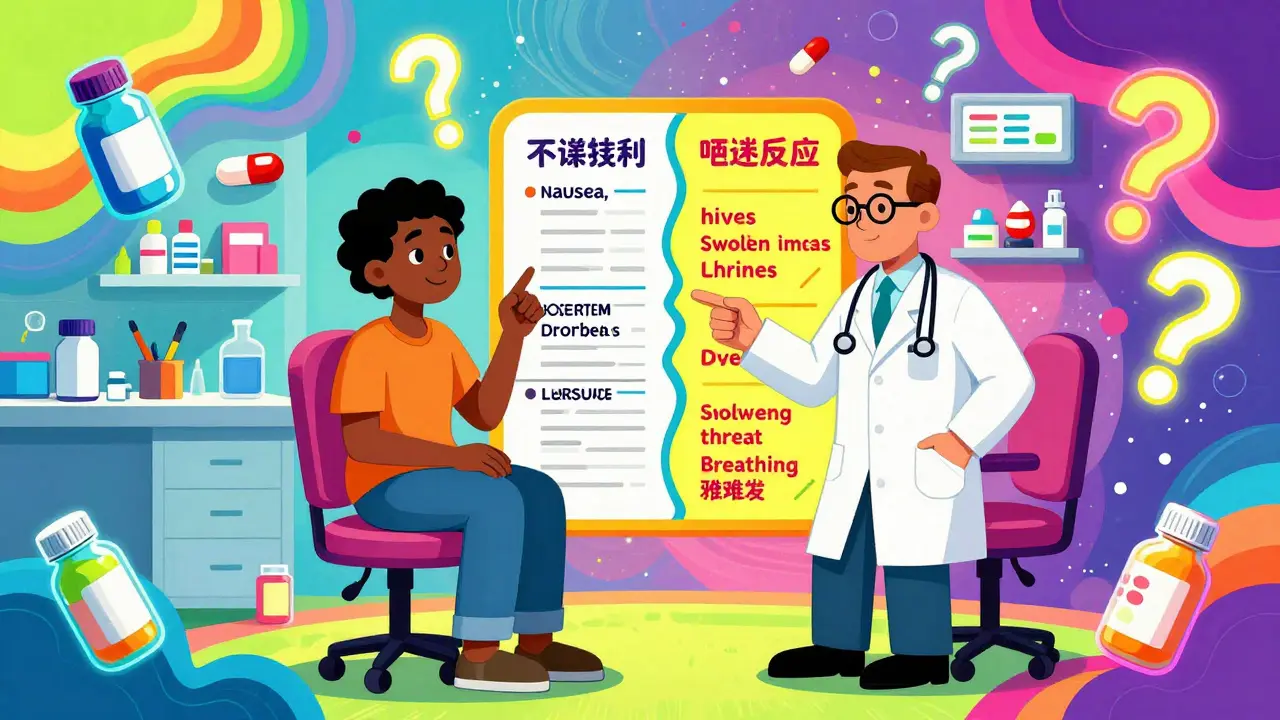
When you start a new medication, it’s normal to feel unsure about what’s normal and what’s dangerous. You might get a headache. Your stomach might feel off. Maybe your skin itches. But is that just a side effect-something common and manageable-or is it a real allergy that could put you in danger? The difference matters more than you think.
Every year in the U.S., over a million people end up in the emergency room because of medication problems. And a huge chunk of those cases? They happen because patients and doctors don’t clearly understand what’s going on. People say, "I’m allergic to penicillin," when they just had a rash that went away after a few days. Or they ignore a persistent nausea, thinking it’s "just how the medicine works." But here’s the truth: mislabeling a side effect as an allergy can actually put you at greater risk.
What’s the real difference between side effects and allergies?
Side effects are predictable. They happen because the drug affects more than just what it’s supposed to. For example, statins lower cholesterol, but they can also cause muscle aches in about 10% of users. Antibiotics like amoxicillin often lead to diarrhea because they kill good bacteria along with bad ones. These aren’t surprises-they’re documented. In fact, studies show 60-70% of initial side effects fade within two to four weeks as your body adjusts.
Allergies are different. They’re not about dosage. They’re about your immune system. If you’re truly allergic to a drug, your body sees it as an invader and attacks. That can mean hives, swelling of the lips or throat, trouble breathing, or even anaphylaxis-a life-threatening reaction. Allergic reactions usually show up fast: within minutes to a few hours after taking the pill. And once you’ve had one, you’re at risk for another-even with a tiny amount.
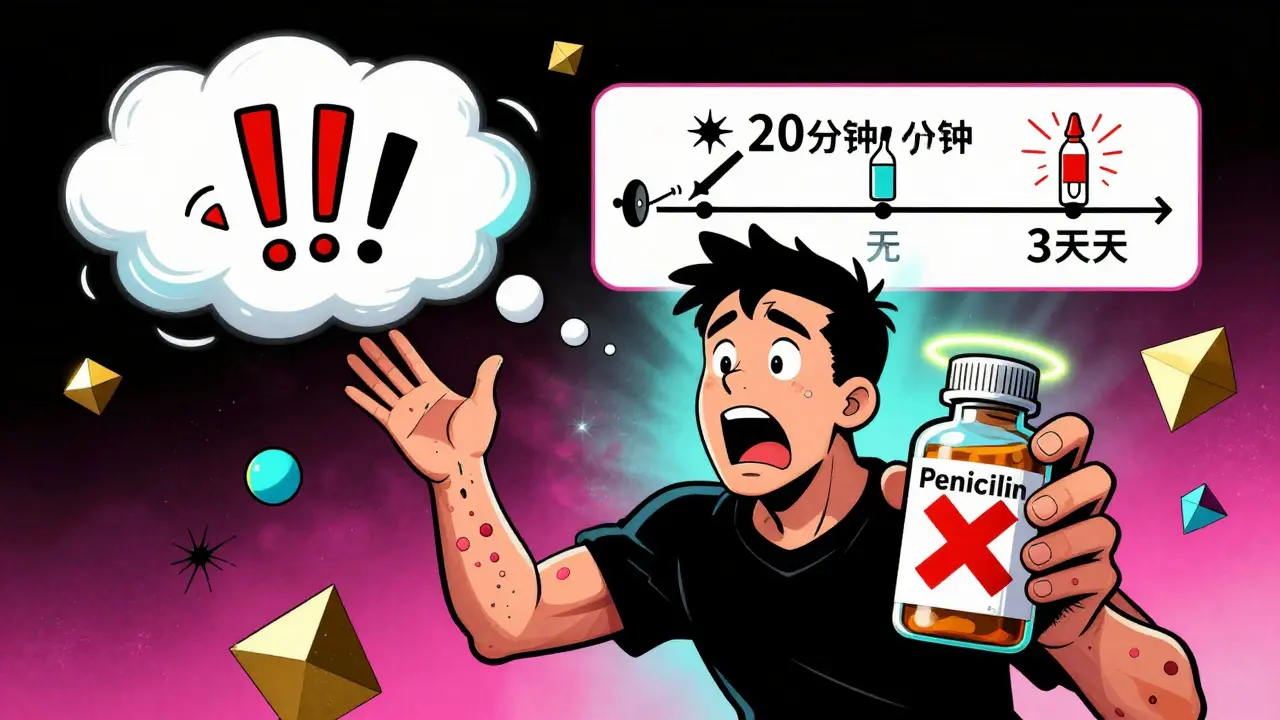
Here’s the kicker: about 90% of people who think they’re allergic to penicillin aren’t. A 2022 study in the Journal of Allergy and Clinical Immunology found that 10% of Americans claim a penicillin allergy. But when tested properly, most turn out to be fine. Why does this matter? Because if you’re labeled "allergic," doctors give you stronger, broader antibiotics. Those drugs cost more, cause more side effects, and contribute to antibiotic resistance. In fact, patients with a mislabeled penicillin allergy get 63% more of these risky alternatives.
What symptoms should you pay attention to?
Not all reactions are created equal. Here’s how to tell them apart:
- Side effects usually include: nausea, dizziness, drowsiness, dry mouth, mild rash, upset stomach, or changes in appetite. These often get better over time. For example, diphenhydramine (Benadryl) causes drowsiness in 50-60% of users-but that doesn’t mean you’re allergic.
- Allergic reactions include: hives, swelling (especially around the face, tongue, or throat), wheezing, tightness in the chest, rapid pulse, dizziness, or vomiting with rash. If you feel like you can’t breathe or your throat is closing, that’s an emergency. Call 911.
Timing is everything. If your skin broke out two days after you started the new pill? That’s likely a side effect. If it happened 20 minutes after swallowing it? That’s more likely an allergy. And if the same thing happens every time you take the medication? That’s a red flag.
How to talk to your care team-clearly and confidently
Doctors aren’t mind readers. If you say, "I feel weird," they’ll guess. But if you say, "I got a rash on my chest 30 minutes after taking the 500mg pill on Tuesday, and it didn’t go away even after skipping the next dose," they’ll know exactly what to do.
Use this simple framework next time you’re talking to your doctor, nurse, or pharmacist:
- What symptom? Be specific. "My hands are swollen," not "I feel off."
- When did it start? "Within 20 minutes of taking the pill," or "Three days after I started it."
- How long did it last? "It went away after 12 hours," or "It got worse every day."
- Did it happen before? "This is the first time," or "I had the same thing with a different antibiotic last year."
- Did it go away when you skipped a dose? This is huge. If symptoms fade when you don’t take the pill, it’s likely tied to the medication.
Bring your pill bottles. Seriously. A 2022 UCLA Health study showed that patients who brought their actual medications to appointments had 28% fewer communication errors. Sometimes, the name on the bottle doesn’t match what you think it is. Or you’re mixing up two similar-sounding drugs. Seeing the label helps.
Consider keeping a simple log for 72 hours before your appointment. Write down:
- Time you took each dose
- What symptom you felt
- Severity (1-10)
- How long it lasted
Research from UC San Diego shows patients who do this cut miscommunication about side effects versus allergies by 37%. That’s not small. That’s life-changing.
Questions to ask your care team
Don’t wait for them to ask. Lead the conversation with these:
- "What are the most common side effects of this medication? What percentage of people get them?"
- "Which symptoms mean I should stop this drug immediately?"
- "Could this be a side effect-or something more serious?"
- "Is there another medication in a different class that might work better for me?"
- "Should I get tested for a true allergy? I’ve been told I’m allergic to penicillin, but I’ve never had a serious reaction."
These aren’t just questions. They’re tools. They show your provider you’re paying attention. And they help them make smarter decisions.
Why this matters beyond your own health
Getting this right isn’t just about avoiding a rash. It’s about stopping unnecessary antibiotics. It’s about reducing hospital visits. It’s about saving money.
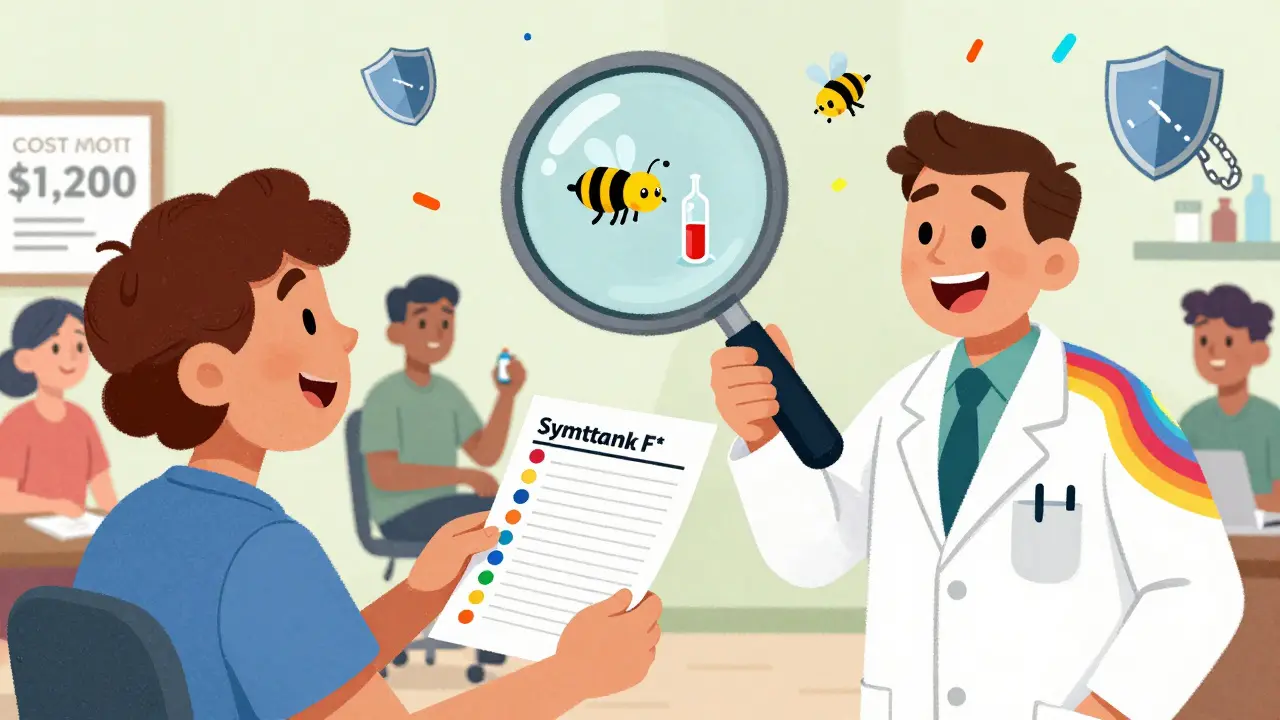
One study found that incorrect allergy labels cost patients $1,200 to $2,500 extra per year. Why? Because doctors reach for stronger, pricier drugs. Hospitals spend more on monitoring. Pharmacies stock more alternatives. And all of it adds up to more antibiotic resistance-something the World Health Organization calls one of the top global health threats.
Clarity saves lives. When patients describe their symptoms accurately, doctors reduce unnecessary antibiotic use by 27%. That’s not just a statistic. That’s fewer people getting sick from resistant infections. Fewer kids ending up in the ICU. Fewer families facing long hospital stays.
What to do if you’re unsure
If you’re not sure whether you had a side effect or an allergy, don’t guess. Don’t just stop the medication and assume the worst. Ask for a referral to an allergist. Many clinics now offer simple skin tests or blood tests to confirm or rule out true allergies. The American Academy of Allergy, Asthma & Immunology has a clear protocol for this. It’s quick. It’s safe. And it can change your entire treatment path.
And if you’ve been told you’re allergic to penicillin but never had a severe reaction? Get tested. You might be able to take it again. And if you can, your next infection might be treated with something simpler, cheaper, and more effective.
Tools to help you track and communicate
The American Pharmacists Association launched the "Medication Reaction Tracker" app in January 2023. It’s free. It guides you through logging symptoms, timing, and severity. It even generates a one-page summary you can print or email to your doctor. Over 87,000 people have downloaded it.
Also, check the medication guide that comes with your prescription. Since 2023, the FDA requires these guides to clearly separate common side effects from warning signs of allergy. Look for bolded text or icons. They’re there for a reason.
Finally, if your doctor says "this is normal," but you still feel off-speak up again. You know your body better than anyone. And you have the right to ask for clarification.
Can I outgrow a drug allergy?
Yes. Many people, especially those who had a mild rash as a child, outgrow drug allergies over time. Penicillin allergies, in particular, fade in about 80% of people after 10 years. That’s why retesting is so important-especially if you’ve been told you’re allergic but never had a serious reaction.
If I have a side effect, should I stop taking the medication?
Not always. Many side effects fade on their own within a few weeks. If the symptom is mild and not dangerous-like mild nausea or drowsiness-your provider may suggest sticking with it, lowering the dose, or taking it with food. Never stop a prescribed medication without talking to your care team first.
What if I can’t remember exactly when my symptoms started?
Do your best. Say something like, "I think it started a couple of days after I began the pill," or "It got worse after I took it on an empty stomach." Even approximate details help. But if you’re unsure, start tracking now. Write down the next time you take the medication and what happens. That log becomes your evidence.
Can I be allergic to one antibiotic but not another?
Absolutely. Allergies are specific to the chemical structure of a drug. Being allergic to penicillin doesn’t mean you’re allergic to all antibiotics. You might be fine with azithromycin or doxycycline. Always ask your provider if there’s an alternative in a different drug class.
Why does my pharmacist keep asking if I’m allergic to penicillin?
Because it’s one of the most common mislabeled allergies-and it has real consequences. If you say yes, they may avoid the best, cheapest option for your infection. If you say no, they can give you the right drug. That’s why they double-check. It’s not just routine. It’s life-saving.
Knowing how to talk about your body’s response to medication isn’t just helpful-it’s powerful. It gives you control. It protects your health. And it helps your care team give you better care. Start with one question next time you’re prescribed something new. Write down what happens. And don’t be afraid to ask: "Is this normal? Or should I be worried?"
Buddy Nataatmadja
March 15, 2026 AT 06:57Also, bringing pill bottles to appointments? Genius. My pharmacist caught I was mixing up my blood pressure med with my cholesterol med. Saved me from a hospital trip.
Jimmy V
March 16, 2026 AT 03:11Richard Harris
March 16, 2026 AT 15:07Kandace Bennett
March 17, 2026 AT 16:43Tim Schulz
March 17, 2026 AT 19:45Also, 87k people downloaded that app? That's less than the number of people who think 'natural' means 'safe.' 😂
Jinesh Jain
March 19, 2026 AT 11:45douglas martinez
March 19, 2026 AT 17:10Sabrina Sanches
March 20, 2026 AT 00:51Shruti Chaturvedi
March 21, 2026 AT 21:01Katherine Rodriguez
March 23, 2026 AT 15:36Devin Ersoy
March 24, 2026 AT 23:41Meanwhile, my cousin got misdiagnosed with a 'penicillin allergy' because she broke out in hives from a virus. Now she’s on vancomycin like it’s candy. Cost? $18,000.
Let’s not pretend this is about patient empowerment. It’s about systemic failure.
Scott Smith
March 25, 2026 AT 23:49