Hiccups Triggered by Medications: Causes and Remedies
Drug-Induced Hiccup Assessment Tool
Check your medication risk factors and determine the severity of your symptoms.
Step 1: Medication Check
Are you currently taking any of these medications?
Step 2: Symptom Duration
How long have you been experiencing spasms?
Recommended Action Plan
You sit down to take your evening pill, and hours later, you find yourself fighting uncontrollable spasms of your diaphragm. It is frustrating, embarrassing, and can make eating a nightmare. While we often associate hiccups with drinking carbonated water or eating too fast, the culprit is frequently hidden in the medicine cabinet. Medication-induced hiccups, medically known as drug-induced singultus, affect millions of patients annually but remain under-diagnosed. Understanding that certain pills are to blame is the first step to getting relief.
The Mechanics of Drug-Induced Hiccups
To understand why a tablet causes a spasm, look at the pathway involved. Your body uses a complex reflex arc to produce a hiccup. This involves sensory nerves (afferent limb), a processing center in the brainstem, and motor nerves (efferent limb) that tell your diaphragm to contract suddenly. When you hiccup, the vocal cords slam shut, creating that sharp "hic" sound.
Certain medications interfere directly with this system. They might irritate the phrenic nerve, mess with neurotransmitters like dopamine in the medulla oblongata, or cause gastric distension that pushes up against the diaphragm. For instance, steroids like dexamethasone can activate specific receptors within these nerves. Research published in the Journal of Neurogastroenterology and Motility indicates that these drugs act on the efferent limbs, effectively hijacking the signal sent to your breathing muscles. It is not just "bad luck"; there is a biological mechanism at play.
Common Offending Medications
Not every drug triggers this response equally. Some classes of medication are notorious offenders. If you notice hiccups after starting a new regimen, checking against this list is often revealing.
| Medication Class | Example Drug | Reported Incidence Rate | Common Context |
|---|---|---|---|
| CorticosteroidsAnti-inflammatory hormones often used for allergic reactions and cancer care. | Dexamethasone | 41.2% (with Cisplatin) | Cancer therapy, inflammation |
| BenzodiazepinesSedatives used for anxiety, insomnia, and anesthesia induction. | Midazolam | 8-12% | Surgery, procedural sedation |
| OpioidsPain relievers binding to opioid receptors in the CNS. | Morphine | 5-7% | Chronic pain management |
| AntibioticsDrugs used to treat bacterial infections. | Moxifloxacin | 0.5-2% | Infection treatment |
As the table shows, corticosteroids pose the highest risk. A study from Taiwan highlighted that nearly 40% of cancer patients receiving dexamethasone alongside cisplatin experienced severe hiccups. Interestingly, gender plays a role here too, with males reporting higher susceptibility in these specific combinations. Opioids like morphine affect roughly 5-7% of chronic pain users, often due to gastric distension delaying stomach emptying and pushing up on the diaphragm. Even antibiotics, usually considered safe, have documented cases of triggering hiccups in susceptible individuals.
Persistent vs. Intractable Hiccups
Most of us have dealt with hiccups that pass in minutes. However, when drugs are involved, the duration changes significantly. Doctors classify hiccups based on how long they last.
- Acute: Lasts less than 48 hours. This is common and often resolves on its own even without changing the medication.
- Persistent: Lasts longer than 48 hours. This is where complications begin to arise, affecting sleep and eating habits.
- Intractable: Persists for more than a month. These require immediate medical intervention and are much harder to treat.
If your hiccups linger past the two-day mark, the risk of dehydration and weight loss increases. A meta-analysis from the Journal of Clinical Medicine notes that about 5% of medication-induced cases become intractable. This classification matters because persistent hiccups disrupt the daily rhythm of life far more than a fleeting annoyance.
Immediate Relief Strategies
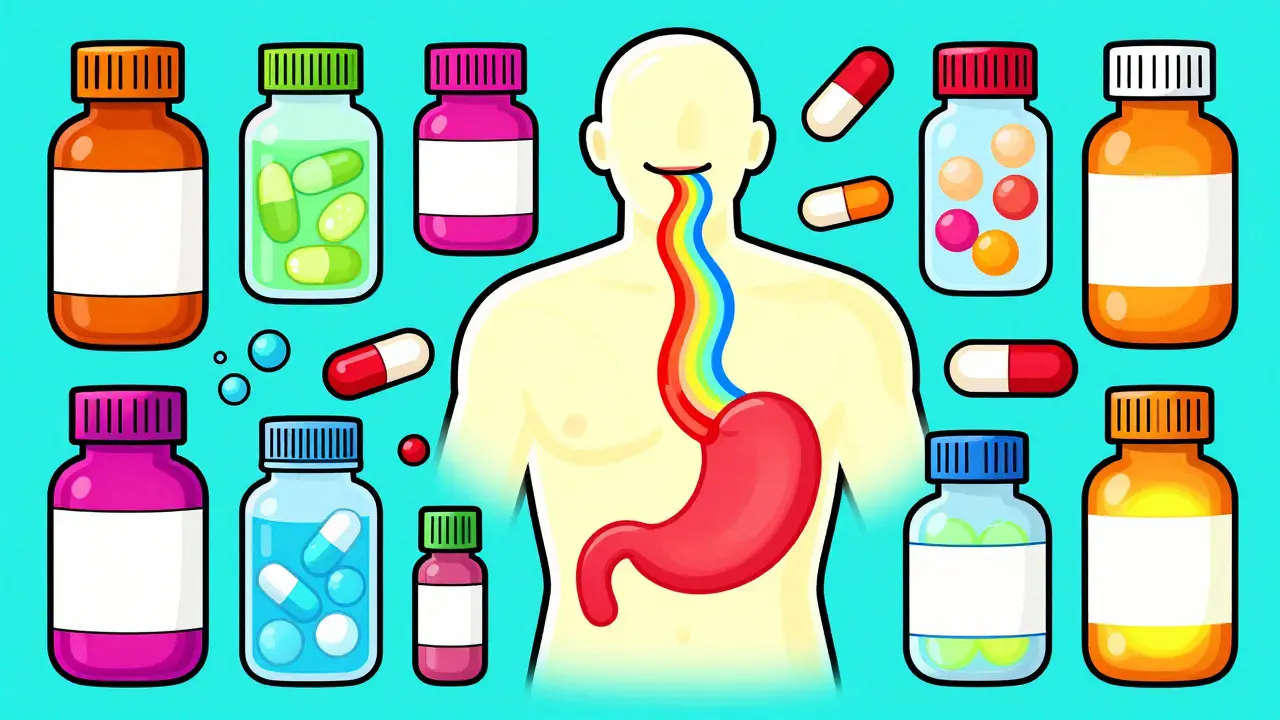
You do not always need a hospital visit to stop the cycle, though stopping the offending drug is the definitive cure if possible. Before calling your doctor, try mechanical tricks that reset the vagus nerve. These methods interrupt the reflex loop physically.
- Granulated Sugar Swallow: Put a teaspoon of plain sugar on your tongue and swallow dry. This stimulates the throat lining and signals the nervous system to pause the spasm. Studies suggest a 72% success rate for acute episodes.
- Ice Water Gargle: The cold temperature shocks the sensory nerves, potentially overriding the contraction signal.
- Breath-Holding: Take a deep breath and hold it for as long as comfortably possible to increase CO2 levels in the blood, which can suppress the drive to breathe and hiccup.
If you are currently taking a necessary medication like dexamethasone and cannot stop it immediately, switching anti-nausea medications (like ondansetron) has helped many users resolve the issue without losing therapeutic benefit. Always discuss switching with your healthcare provider to ensure safety.
Medical Treatments and Management
When home remedies fail, pharmacological intervention becomes necessary. There is a specific sequence doctors follow to bring relief, prioritizing safety and efficacy.
Baclofen is commonly prescribed first-line for persistent cases, especially in cancer patients who cannot quit their chemotherapy protocols. Starting doses typically range around 5mg three times daily. Clinical reviews show it works in about 60-70% of cases. For intractable situations where baclofen fails, chlorpromazine remains the only FDA-approved option. However, due to significant side effects like sedation and low blood pressure, it is reserved for the most stubborn cases.
Preventative measures are also evolving. Newer oncology centers are now using prophylactic baclofen (starting before the reaction hits) for patients scheduled to receive high-risk drug combinations. This proactive approach cuts the incidence of severe hiccups from roughly 40% down to about 13%, according to data from the American Society of Clinical Oncology.

Talking to Your Doctor
Do not assume hiccups are just "part of the sickness." Tell your doctor exactly what is happening. Mention the timing relative to your dose. Is it right after taking the pill? Does food change the outcome? Providing specific details helps differentiate whether the cause is the drug itself or another underlying condition. Sometimes a dose adjustment is enough to quell the spasms without needing a total switch of your treatment plan.
Frequently Asked Questions
Can dexamethasone permanently damage my throat?
No, dexamethasone-induced hiccups are temporary and reversible. Once the drug leaves your system or the dosage is adjusted, the throat irritation and spasms typically subside completely without lasting structural damage.
Are there any natural supplements that work?
Some anecdotal reports suggest ginger or peppermint tea may help soothe gastric distress related to opioids, but there is limited clinical evidence proving natural supplements stop drug-induced reflexes reliably. Sugar is the most proven non-drug intervention.
Why do some people get hiccups and others do not?
Individual sensitivity varies greatly based on genetics, existing nerve health, and hydration status. Men appear slightly more prone to steroid-induced hiccups, though anyone can experience them depending on their metabolic response.
Is it safe to drive if I have hiccups from medication?
If the hiccups are violent or frequent, focus on driving may be impaired. It is safest to avoid operating heavy machinery until the spasms are controlled, especially if you are also taking sedating medications like benzodiazepines.
Should I stop taking my medication immediately?
Never stop prescribed medication without medical supervision. Suddenly quitting steroids or other vital drugs can cause dangerous withdrawal symptoms. Contact your pharmacist or doctor to safely taper or swap your regimen.
Living with constant spasms feels endless, but recognizing the medication link transforms a confusing symptom into a solvable problem. Whether through simple swallowing techniques or adjusting your prescription, relief is available. Keep track of your symptoms, note the timing, and advocate for changes if your quality of life suffers.
sanatan kaushik
March 30, 2026 AT 05:46Honestly people ignore this stuff until it gets bad. The steroid thing hits hard though. Stop ignoring the signs when you feel them coming.
You need to listen to your body instead of popping pills blindly.
Charles Rogers
March 30, 2026 AT 15:59You really need to look closer at the nerve pathways involved here. It isn't just about the stomach getting upset either. The vagus nerve plays a massive role in all of this signaling process. If you ignore the phrenic nerve irritation nothing will change anyway. Many patients fail to realize how deep this goes inside the body. Doctors often miss the link between the drug and the spasms entirely. We need more awareness around the side effects listed in the table. Intractable cases require immediate action before dehydration sets in. Prevention is obviously better than trying to cure it later. Baclofen seems like a good starting point for many sufferers. Switching medications might be the only long term solution available. Always discuss changes with your provider to stay safe. Sugar tricks work sometimes but they don't fix the root cause. You cannot rely on internet advice alone for serious medical issues. Read the literature properly before taking any drastic steps yourself.
dPhanen DhrubRaaj
April 1, 2026 AT 11:10this happens to everyone sometimes dont worry too much about it
Debbie Fradin
April 2, 2026 AT 01:28Oh great another reason why medicine tastes like failure sometimes. At least now we know it isn't just gas from beans.
The irony of fixing one problem only to create a new annoying symptom is hilarious.
Kendell Callaway Mooney
April 2, 2026 AT 06:08Helpful info here. Steroids are the main culprit for most chronic cases. Try sugar if you feel the spasm starting up early.
Always keep a log of your medication times to track patterns.
RONALD FOWLER
April 2, 2026 AT 21:12understandable situation for anyone dealing with meds. hope everyone finds relief soon without complications.
it can be very stressful to deal with daily.
Adryan Brown
April 2, 2026 AT 23:15It is important to stay calm about these medical triggers. Stress makes the diaphragm tighten up even more so try to relax. Communication with doctors saves lives in the long run.
We should all support each other through these health challenges.
Vikash Ranjan
April 4, 2026 AT 02:26People always think its just stress but its definitely the chemicals. Most studies show clear evidence against that belief system though.
I disagree with the common assumptions people make online.
Jonathan Alexander
April 5, 2026 AT 10:44The drama of waiting for relief is painful. You sit there shaking while your life waits on hold.
It feels like your own body is fighting against you constantly.
Biraju Shah
April 7, 2026 AT 01:30Stop ignoring the warning signs from your body immediately. Get off the phone and see a specialist now.
Health is the only thing that matters right now.