Direct-to-Consumer Generic Pharmacies: Savings vs Insurance
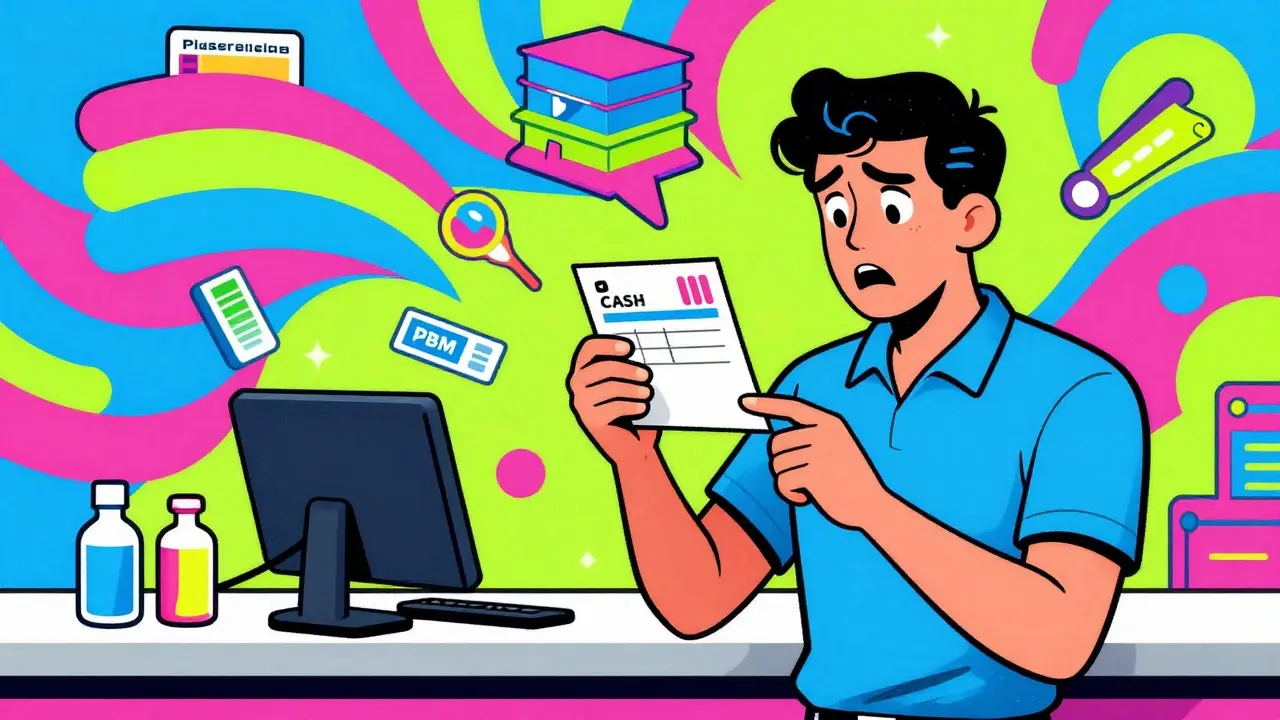
You stare at the prescription label. The price is higher than you expected. You have insurance, but your copay feels like a punch in the gut. Meanwhile, you’ve heard whispers about online pharmacies that sell drugs for pennies on the dollar without touching your health plan. Is this too good to be true? Or is it the smartest move you can make for your wallet?
The short answer is: it depends. DTC pharmacies (Direct-to-Consumer) are not a magic bullet, but they are a powerful tool if you know how to use them. They work best for specific types of medications and specific patient profiles. If you blindly switch everything to a cash-pay model, you might actually spend more money. But if you play your cards right, you could save hundreds-or even thousands-of dollars a year.
How DTC Pharmacies Actually Work
To understand why prices drop, you have to look at who gets cut out of the middle. In the traditional system, you buy a drug through a retail pharmacy, but the transaction involves several layers. There’s the pharmacy, the manufacturer, and then there are Pharmacy Benefit Managers (PBMs). PBMs negotiate rebates and fees behind closed doors. These complex structures often inflate the final price you see at the counter, especially if your insurance doesn’t cover the drug well or if you’re paying out-of-pocket before hitting your deductible.
DTC pharmacies bypass these intermediaries. They operate on a transparent, cash-pay model. A famous example is the Mark Cuban Cost Plus Drug Company, founded in 2020. Their model is simple: they buy the drug from the manufacturer and add a flat 15% markup, plus a small dispensing fee. No hidden rebates. No opaque negotiations. Just cost plus a small profit margin. Other players like Amazon Pharmacy, Costco Pharmacy, and Health Warehouse have adopted similar transparent pricing strategies to compete.
This shift emerged prominently around 2020-2021 as consumers grew frustrated with rising healthcare costs. By removing the PBM layer, these platforms offer prices that are often lower than what an insured person would pay after their copay, particularly for expensive generic drugs.
The Data: Where Do You Really Save Money?
Does the math hold up? Yes, but with caveats. A cross-sectional analysis published in the Journal of General Internal Medicine in 2024 compared prices across major DTC platforms against traditional retail prices. The findings were stark for certain categories.
| Drug Category | Median Absolute Savings | Percentage Savings |
|---|---|---|
| Expensive Generics | $231 | 76% |
| Common Generics | $19 | 75% |
For expensive generics-those in the top 50 by cost in Medicare Part D data-the median savings were $231 per prescription. That’s a massive difference. For common generics, the savings were smaller in absolute terms ($19), though still significant in percentage terms (75%).
However, no single DTC pharmacy wins every time. The same study found that for expensive generics, Amazon Pharmacy had the lowest cost for 47% of the drugs, while Mark Cuban Cost Plus Drug Company won 26%, Health Warehouse 14%, and Costco 13%. For common generics, Costco was the cheapest option 31% of the time, followed by Amazon at 27% and Walmart at 20%. This means you cannot just pick one DTC pharmacy and stick with it. You have to shop around.
The Insurance Trap: When Copays Beat Cash Prices
Here is where it gets tricky. Your insurance plan might actually be cheaper than any DTC option, depending on your specific coverage and the drug tier. Not all insurance plans are created equal. Some plans have low fixed copays (e.g., $10 for generics) regardless of the drug’s actual cost. In those cases, paying $10 via insurance is obviously better than paying $40 cash at a DTC pharmacy, even if the DTC price is "transparent" and "fair."
Conversely, if you have a high-deductible health plan, you might be paying the full negotiated rate until you hit your deductible. In that scenario, DTC cash prices can be significantly lower than the insurer’s negotiated rate. For example, if your insurer charges $150 for a generic statin because you haven’t met your deductible, but Amazon sells it for $15, you save $135 by using the DTC channel.
A study commissioned by CVS Health and published in JAMA Network in 2023 offered a different perspective. Researchers analyzed 79 generic neurological medications and found that if all commercial prescriptions shifted to DTC pharmacies, aggregate out-of-pocket expenditures could increase by $82 million. Why? Because many specialty or neurological drugs are not available at DTC pharmacies, or when they are, the insurance copay is heavily subsidized. Mark Cuban Cost Plus Drug Company, for instance, only stocked 33 of the 79 neurological drugs studied, and only two were cheaper than the insured copay. This highlights a critical limitation: DTC pharmacies excel at common and moderately expensive generics, but they struggle with specialized or complex medication regimens.

Availability Gaps: The Missing Drugs Problem
Price isn’t the only factor. Availability is a major hurdle. The Journal of General Internal Medicine study noted that one-fifth (20%) of the most costly generic drugs were not available through any national DTC pharmacy. If you need a specific brand or formulation that isn’t listed on Amazon or Cost Plus, you’re stuck. You either pay the higher retail price, use your insurance, or wait for a special order, which defeats the purpose of quick, cheap access.
This creates a fragmented experience. You might get your blood pressure medication from Costco, your allergy pills from Amazon, and your cholesterol drug from your local pharmacy because your insurance covers it best there. Managing multiple sources for your medications is inconvenient. It complicates refills, tracking, and insurance reconciliation. You lose the convenience of having one place handle all your health needs.
How to Strategically Navigate DTC vs. Insurance
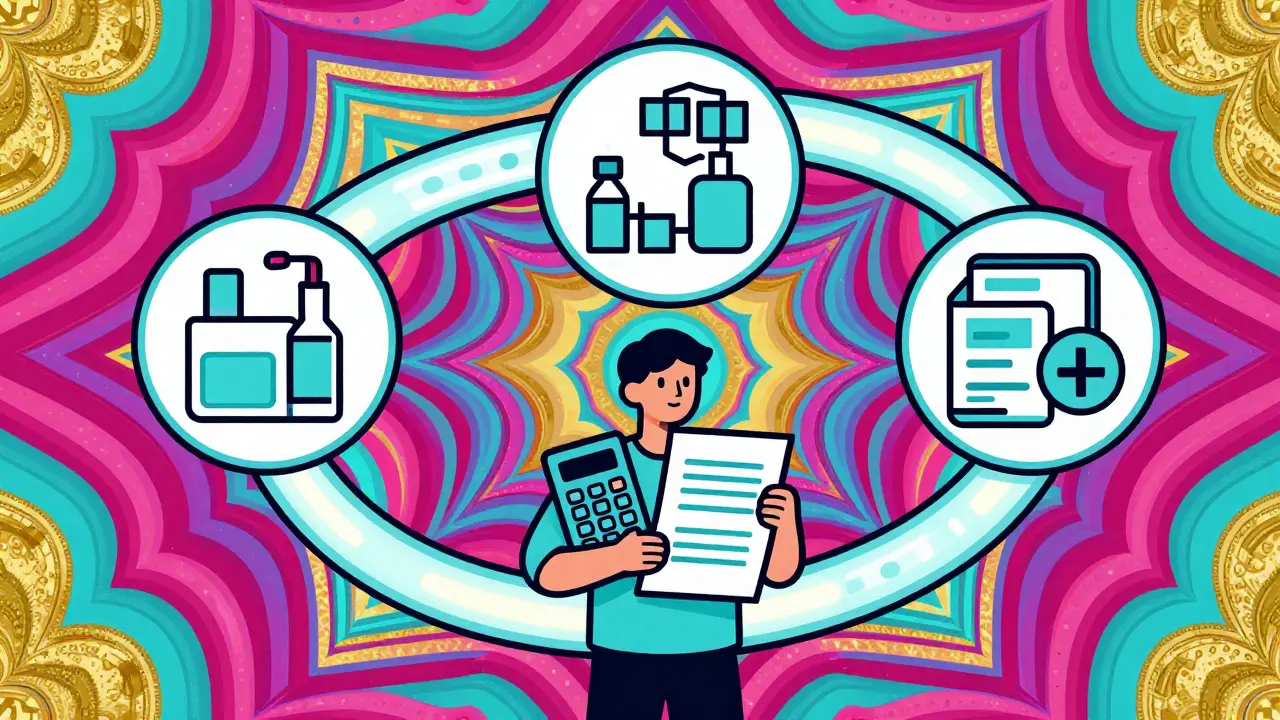
So, how do you decide? You need a systematic approach. Don’t guess. Compare. Here is a practical workflow to minimize your spending:
- Check Your Insurance Details First: Look at your Explanation of Benefits (EOB) or call your insurer. What is your copay for generic drugs? Is it a flat fee (e.g., $15) or a percentage (coinsurance)? If it’s a flat fee under $20, insurance is likely your best bet for common drugs.
- Identify Expensive Generics: If a drug costs more than $50-$100 with insurance, flag it. These are prime candidates for DTC comparison.
- Use Price Comparison Tools: While comprehensive real-time tools are rare, sites like GoodRx, SingleCare, and the individual DTC websites (Amazon, Cost Plus, Health Warehouse) allow you to check cash prices. Enter your drug name, dosage, and quantity.
- Compare Across Platforms: Check at least three sources: one major retailer (Costco/Walmart), one tech-focused platform (Amazon), and one transparency-focused pharmacy (Cost Plus). Remember, the cheapest option varies by drug.
- Consider Convenience Costs: Factor in shipping times and effort. If saving $10 requires ordering from three different websites and waiting for separate deliveries, is it worth the hassle? For chronic conditions requiring daily meds, consistency matters.
Dr. Hatim Lalani, lead author of the 2024 study, emphasized that this process is "time-consuming" and involves "financial tradeoffs." There is currently no single tool that aggregates real-time prices across all retail, community, and DTC pharmacies. You have to do the legwork.
Who Should Use DTC Pharmacies?
DTC pharmacies are not for everyone. They serve specific groups best:
- The Uninsured or Underinsured: If you have no coverage or a high-deductible plan where you pay full price until the deductible is met, DTC pharmacies offer some of the lowest prices in the market.
- Patients on Expensive Generics: If you take medications like certain diabetes drugs, heart failure treatments, or immunosuppressants that are generic but still pricey, DTC options can save hundreds of dollars.
- Price-Conscious Shoppers Willing to Shop Around: If you enjoy comparing prices and don’t mind managing orders from multiple vendors, you can optimize your spending significantly.
On the other hand, if you have a robust insurance plan with low copays, take multiple specialized medications, or value convenience above all else, sticking with your traditional pharmacy network may be smarter. As Chloe Bakst from Advisory Board noted, DTC pharmacies "may not always have all the medications a patient needs or the lowest prices," but they serve a valuable function for those willing to invest time in price shopping.
Future Outlook: Will DTC Replace Insurance?
It’s unlikely that DTC pharmacies will replace insurance entirely. Healthcare is complex, and insurance provides protection against catastrophic costs, which cash-pay models do not. However, the rise of DTC pharmacies is forcing change. Traditional PBMs and insurers are feeling pressure to lower prices and increase transparency. We may see hybrid models emerge where insurers integrate cash-pay options or allow patients to use savings accounts to fund DTC purchases.
For now, the landscape is mixed. DTC pharmacies are a powerful alternative for specific scenarios, particularly for expensive generics. But they require active management from the consumer. You are no longer a passive recipient of care; you are a shopper. And in today’s healthcare market, being an informed shopper is the best way to protect your financial health.
Are DTC pharmacies safe and legitimate?
Yes, major DTC pharmacies like Amazon Pharmacy, Mark Cuban Cost Plus Drug Company, and Costco Pharmacy are fully licensed and accredited. They dispense FDA-approved medications and follow the same safety standards as traditional brick-and-mortar pharmacies. Always verify that the pharmacy displays a valid license and requires a prescription from a licensed provider.
Can I use my insurance copay card with a DTC pharmacy?
Generally, no. DTC pharmacies operate on a cash-pay basis. You pay the listed price directly. Using a copay card or insurance claim usually triggers the insurer’s negotiated rate, which is often higher than the DTC cash price. To get the DTC discount, you must pay out-of-pocket.
Why are some drugs not available at DTC pharmacies?
Availability depends on supply chain agreements and demand. DTC pharmacies focus on high-volume, cost-effective generics. Specialty drugs, cold-chain medications (requiring refrigeration), or niche formulations may not be stocked due to logistical complexity or low sales volume. Approximately 20% of expensive generics are unavailable through national DTC channels.
Is Mark Cuban Cost Plus Drug Company always the cheapest?
No. While it offers transparent pricing with a 15% markup, it is not consistently the lowest-priced option. Studies show Amazon Pharmacy has the lowest cost for nearly half of expensive generics, while Costco often wins for common generics. You must compare prices across multiple platforms for each specific medication.
Do DTC pharmacies affect my insurance deductible?
No. Payments made to DTC pharmacies are considered out-of-pocket cash expenses and do not count toward your annual insurance deductible. This is a key consideration for those trying to meet their deductible to unlock lower copays later in the year.