Digital Tools for Patient Education: Apps and E-Learning in 2026
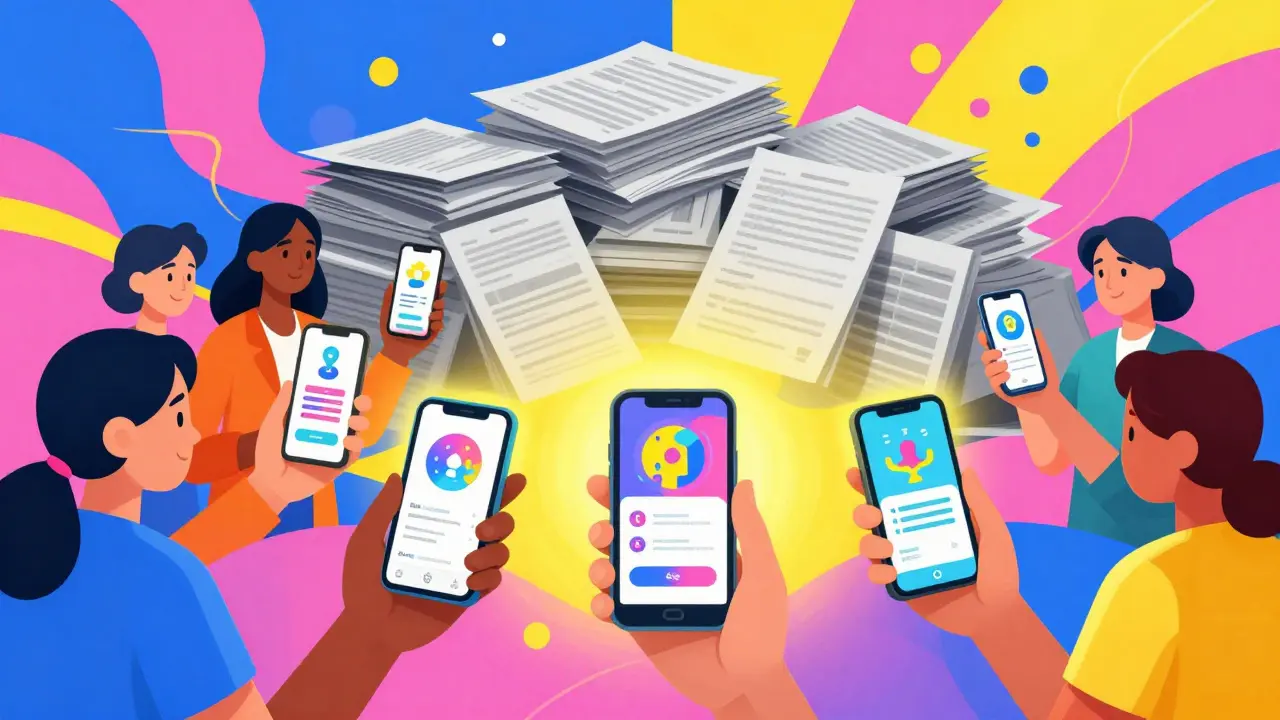
Imagine a patient leaving your clinic with a diagnosis of type 2 diabetes. They’re overwhelmed, scared, and holding a stack of paper pamphlets they likely won’t read. Now imagine that same patient receiving a personalized video explanation on their phone, interactive quizzes to check understanding, and a chatbot available at midnight when anxiety strikes. This isn’t science fiction-it’s the current reality of patient education, defined as the process of providing patients with information and resources to help them manage their health conditions effectively. The shift from static brochures to dynamic digital tools is reshaping how we deliver care. In 2026, digital tools for generic education have evolved into sophisticated systems that adapt to individual learning styles, language barriers, and health literacy levels. The goal remains the same: empower patients to take control of their health. But the methods are faster, more engaging, and significantly more effective.
Why Digital Tools Outperform Traditional Methods
Paper handouts fail because they assume every patient reads at the same level, speaks the same language, and has the time to digest complex medical jargon. Digital tools remove these barriers. According to recent data from the 2025 EdTech Industry Report adapted for healthcare contexts, platforms using adaptive learning technologies see a 47% greater improvement in patient comprehension compared to traditional print materials. That’s not just a nice statistic; it translates directly to better adherence to medication regimens and fewer emergency room visits.
The core value proposition here is democratization. A patient in a rural area with limited access to specialist follow-ups can receive the same quality of educational support as someone in a major urban center. Tools like telehealth platforms, which are software systems that enable remote clinical services and patient education via video or messaging, bridge this gap instantly. They don’t just deliver information; they create a continuous loop of feedback between the provider and the patient.
- Personalization: Content adapts to the user’s specific condition, age, and literacy level.
- Accessibility: Features like text-to-speech and translation break down language barriers.
- Engagement: Interactive elements keep patients involved rather than passive readers.
- Tracking: Providers can see if a patient has actually watched the instructional video or completed the quiz.
Top Apps and Platforms for Patient Learning
Not all apps are created equal. Some are flashy but lack clinical accuracy. Others are accurate but so boring that no one uses them. Here is a breakdown of the leading types of digital tools currently dominating the space, based on functionality and user adoption rates in 2025-2026.
| Tool Type | Best For | Key Feature | Limitation |
|---|---|---|---|
| AI Chatbots | Immediate Q&A, triage support | 24/7 availability, natural language processing | Risk of hallucination (incorrect info) without human oversight |
| Interactive Video Platforms | Procedural instructions (e.g., insulin injection) | Visual demonstration, pause-and-review capability | Requires higher bandwidth/data usage |
| Gamified Learning Apps | Chronic disease management (diabetes, hypertension) | Points, badges, and streaks encourage daily habits | Can feel childish to older adult demographics |
| E-Learning LMS | Structured pre-surgical preparation courses | Trackable progress, certification of completion | Steep learning curve for non-tech-savvy patients |
For instance, AI-powered tools similar to those used in K-12 education are now being repurposed for health. A tool might analyze a patient’s verbal responses during a telehealth visit and flag confusion about dosage instructions in real-time. This mirrors the success of tools like Snorkl in education, which analyzes both verbal and visual cues to assess understanding. In healthcare, this means catching misunderstandings before they lead to adverse drug events.

Implementing Digital Education in Your Practice
You don’t need to overhaul your entire IT infrastructure to start using digital patient education. The most successful implementations follow a simple rule: integrate, don’t isolate. If you send a patient an email link to a random website, they will likely ignore it. If that same link appears in their patient portal alongside their lab results, they are far more likely to engage.
Consider the "5-15-45" rule often cited in tech adoption. Spend 5 hours training your staff on the new platform. Ensure it takes only 15 minutes for a patient to use during a visit. Give it 45 days of consistent use before judging its effectiveness. Many clinics fail because they expect overnight miracles. Patient behavior change is slow.
- Audit your content: Identify the top 5 conditions you treat most frequently. These are your priority areas for digital content.
- Choose the right format: For post-op care, use video. For medication schedules, use interactive calendars.
- Test for accessibility: Ensure your chosen platform supports screen readers and offers translations in the top languages spoken by your patient demographic.
- Close the loop: Set up alerts so you know when a patient completes a module. Follow up with a quick call or message.
Privacy and Security: The Non-Negotiables
When dealing with health data, trust is everything. HIPAA compliance in the US, GDPR in Europe, and similar regulations globally mean you cannot just pick any app off the store. You must ensure the platform encrypts data both in transit and at rest. In 2025, over 247 student and patient data breaches were reported, highlighting the vulnerability of cloud-based systems.
Ask your vendor three questions: 1. Do you sign a Business Associate Agreement (BAA)? 2. Where is the data hosted? 3. How do you handle third-party integrations? If they hesitate, walk away. Security is not a feature; it’s a prerequisite.
The Future: AI and Personalized Health Journeys
We are moving toward a "phygital" model-blending physical care with digital continuity. By 2027, analysts predict that AI tutors will handle 30% of basic health instruction, freeing up nurses and doctors to focus on complex emotional and clinical needs. Imagine an AI that adjusts the complexity of a heart failure diet plan based on the patient’s previous grocery purchases logged via an app. That level of personalization is already emerging.
However, beware of the "digital divide." Not every patient has a smartphone or reliable internet. The best digital strategies include a fallback option-a printed QR code that links to offline-accessible content, or a phone-based IVR system for those without smartphones. Technology should expand access, not restrict it.
What is the best free app for patient education?
There is no single "best" app because needs vary by condition. However, platforms like Khan Academy Kids (adapted for health literacy basics) and government-backed portals like MyMedicare.gov offer robust, free resources. For specific conditions, look for apps endorsed by national health organizations (e.g., American Diabetes Association) as they are typically ad-free and clinically reviewed.
How do I ensure my patients actually use the digital tools?
Integration is key. Embed the tools into the clinical workflow. Have a staff member demonstrate the app during the visit. Use short, bite-sized content (under 3 minutes). Send gentle reminders via SMS or patient portal. Finally, make it part of the discharge summary so patients view it as official medical advice, not optional reading.
Are AI chatbots safe for medical advice?
AI chatbots are excellent for general education and triage but should never replace professional medical judgment. They can provide information on symptoms and medication side effects, but they lack the context of a full medical history. Always include disclaimers that the AI is for informational purposes only and direct users to seek human care for urgent issues.
What are the biggest risks of digital patient education?
The primary risks are data privacy breaches and misinformation. Additionally, there is the risk of "alert fatigue," where patients become desensitized to notifications. Another significant risk is excluding vulnerable populations who lack digital access or literacy, potentially widening health disparities.
How much does implementing an e-learning platform cost?
Costs vary widely. Basic subscription models for patient portals can range from $5 to $15 per patient annually. Custom-built solutions with advanced AI features can cost tens of thousands upfront plus maintenance fees. Start small with modular add-ons to your existing Electronic Health Record (EHR) system to minimize initial investment.