Clotting Disorders and Anticoagulation: INR, DOACs, and Safety

Imagine your blood is a river. When it flows smoothly, everything works fine. But if the current slows down or hits a rock, debris can pile up-that’s a blood clot. For millions of people with conditions like atrial fibrillation (an irregular heartbeat) or a history of deep vein thrombosis, these clots are dangerous. They can travel to the lungs or brain, causing life-threatening events. To stop this, doctors prescribe medications known as anticoagulants, or "blood thinners." These drugs don’t actually thin your blood; they make it harder for clots to form in the first place.
If you’ve been prescribed one of these medications, you’re likely staring at a confusing array of options. Should you take the older drug that requires weekly blood tests? Or switch to the newer pills that seem easier but cost more? This guide breaks down the science, the safety risks, and the practical realities of managing clotting disorders so you can have smarter conversations with your doctor.
Understanding the Old Guard: Warfarin and INR Monitoring
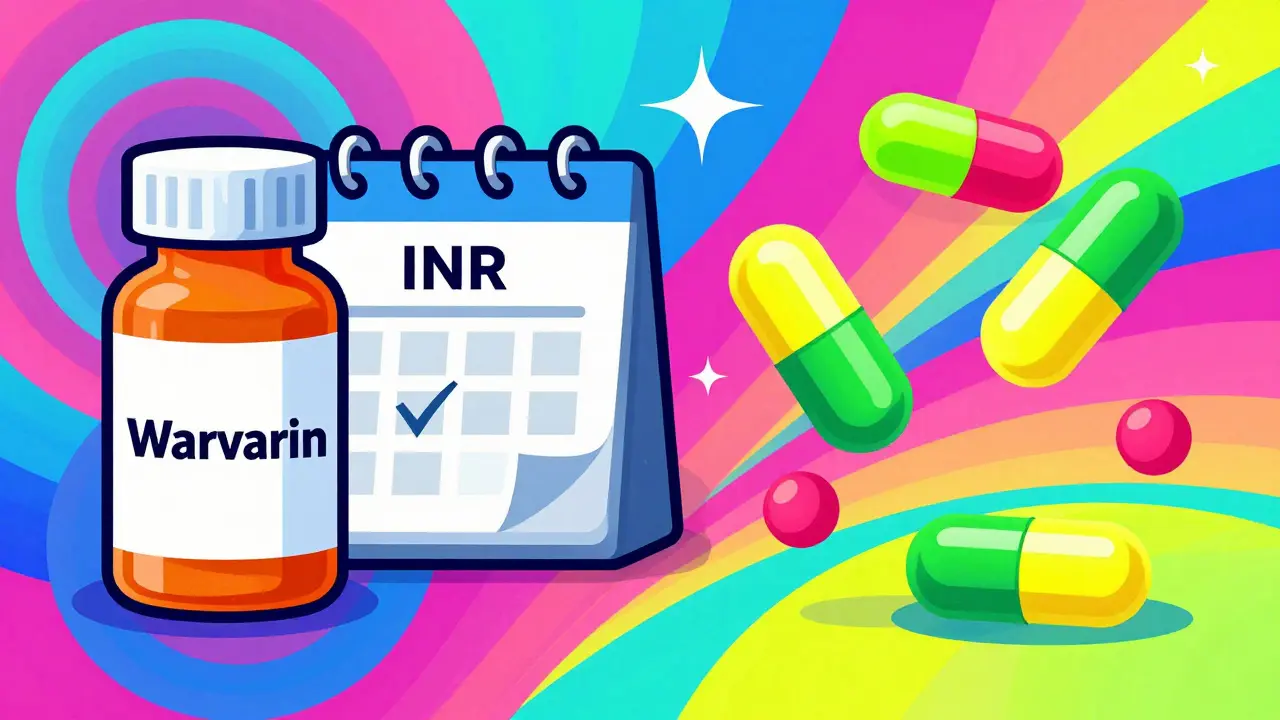
For decades, Warfarin was the go-to medication for preventing strokes and treating clots. It has been around since the 1950s and works by blocking vitamin K, which your body needs to create clotting factors. Think of it like turning off the faucet that supplies the building materials for clots.
The problem with Warfarin is that it is sensitive. Your diet, other medications, and even genetics can change how strong its effect is on any given day. If the dose is too low, you risk a stroke. If it’s too high, you risk serious bleeding. To manage this, doctors use a test called the INR (International Normalized Ratio). The INR measures how long it takes your blood to clot compared to a standard sample.
- Normal INR: Around 1.0 for someone not on medication.
- Therapeutic Range: Usually between 2.0 and 3.0 for most patients.
- High Risk: Above 4.0 significantly increases the chance of major bleeding.
To stay safe on Warfarin, you need consistency. You must keep your intake of vitamin K-rich foods (like spinach, kale, and broccoli) steady. You aren’t forbidden from eating them, but you shouldn’t binge on them one week and avoid them the next. Most patients also need regular blood draws-at first weekly, then every few weeks-to ensure their INR stays in the "sweet spot." Studies show that keeping your time in therapeutic range (TTR) above 70% is crucial for safety.
The New Standard: Direct Oral Anticoagulants (DOACs)
In the last decade, a new class of drugs called Direct Oral Anticoagulants (or DOACs) has largely replaced Warfarin for many patients. Common brands include apixaban (Eliquis), rivaroxaban (Xarelto), dabigatran (Pradaxa), and edoxaban (Savaysa).
Unlike Warfarin, DOACs target specific proteins in the clotting cascade directly-either Factor Xa or Thrombin. Because they work more predictably, you usually don’t need routine blood tests. You take a fixed dose, often once or twice a day, and move on with your life. Major guidelines from the American Heart Association now recommend DOACs over Warfarin for most people with non-valvular atrial fibrillation.
Here is why many patients prefer them:
- No Routine Monitoring: No weekly trips to the lab for INR checks.
- Fewer Dietary Restrictions: You can eat leafy greens without worrying about messing up your dosage.
- Faster Onset/Offset: They start working quickly and leave your system faster (usually within 24-48 hours), which is helpful if you need surgery.
However, there are catches. DOACs rely heavily on your kidneys to clear the drug from your body. If you have significant kidney disease, DOACs might build up to dangerous levels. Your doctor will check your creatinine clearance before prescribing them. Additionally, while they reduce the risk of brain bleeds compared to Warfarin, some studies suggest a slightly higher risk of stomach bleeding, particularly with rivaroxaban and dabigatran.
Safety First: Bleeding Risks and Reversal Agents
The biggest trade-off with any anticoagulant is bleeding. By design, these drugs make it harder for your blood to stop flowing when you get cut. Minor bruising is common-about 78% of users report it. But serious bleeding, such as internal hemorrhage or prolonged nosebleeds, is the primary danger.
Knowing what to do in an emergency is vital. If you are on Warfarin and bleed severely, hospitals can reverse the effects using Vitamin K injections and fresh frozen plasma. It’s a well-established protocol.
Reversing DOACs used to be tricky, but we now have specific antidotes:
- Dabigatran: Can be reversed with idarucizumab (Praxbind).
- Apixaban and Rivaroxaban: Can be reversed with andexanet alfa (Andexxa).
These reversal agents save lives, but they come with massive price tags-often thousands of dollars per dose. This highlights why prevention and careful management are better than emergency fixes. Always wear a medical alert bracelet stating you are on anticoagulants. In an accident, paramedics need to know immediately because giving you painkillers like ibuprofen or aspirin could worsen internal bleeding.
Who Should Avoid Which Drug?
Not every patient is a candidate for every drug. The choice depends on your heart structure, kidney function, and lifestyle.
| Patient Condition | Recommended Drug | Reason |
|---|---|---|
| Mechanical Heart Valve | Warfarin | DOACs have failed in trials for mechanical valves and increase stroke risk. |
| Severe Kidney Disease (CrCl <30 mL/min) | Warfarin | Most DOACs are cleared by kidneys and can accumulate to toxic levels. |
| Non-Valvular Atrial Fibrillation | DOACs (e.g., Apixaban) | Lower risk of brain bleeds and no monitoring required. |
| Budget Constraints | Warfarin | Generic Warfarin costs pennies per pill; DOACs can cost hundreds monthly. |
If you have moderate-to-severe mitral stenosis or a mechanical valve, Warfarin remains the only safe option. There is simply not enough data to prove DOACs work for these specific structural heart issues. Conversely, if you lead an active lifestyle, travel frequently, or struggle to remember dietary restrictions, a DOAC is likely the safer bet for adherence.
Living Safely on Blood Thinners
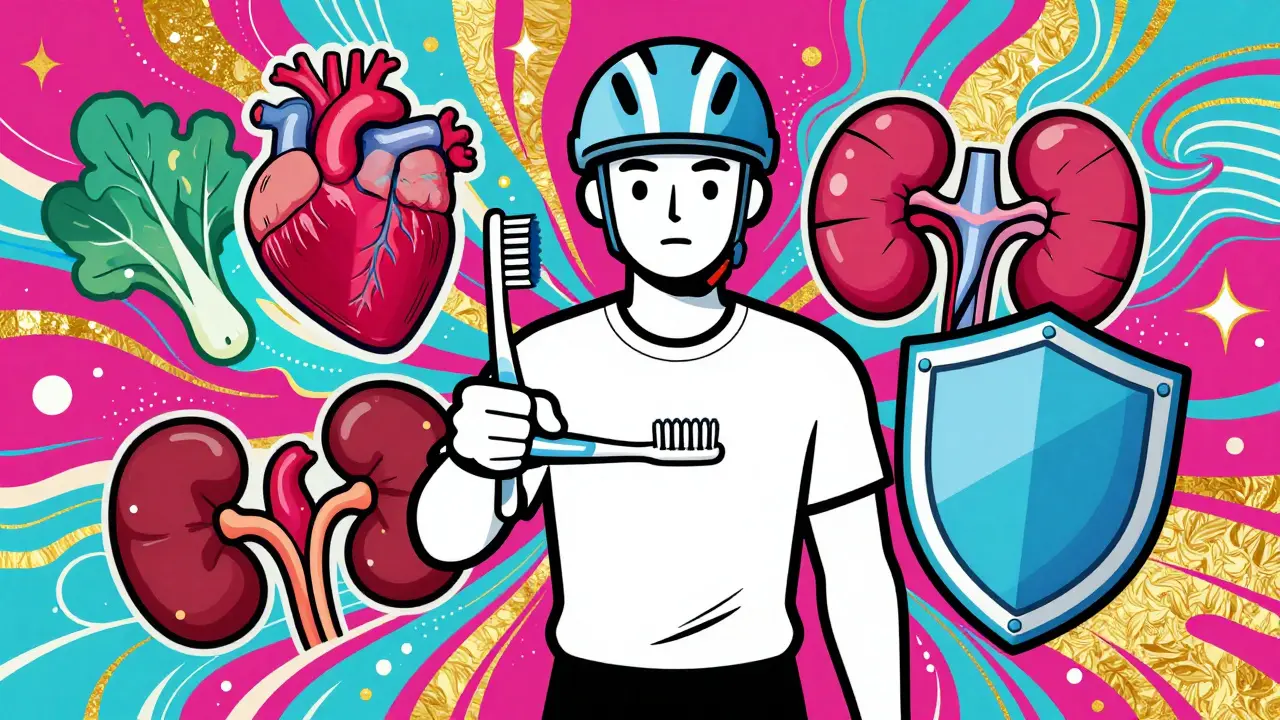
Once you and your doctor choose a medication, your job is to manage the risks in daily life. Here are practical steps to stay safe:
- Avoid NSAIDs: Do not take ibuprofen (Advil, Motrin) or naproxen (Aleve) unless your doctor says otherwise. These drugs irritate the stomach lining and inhibit platelets, doubling your bleeding risk. Use acetaminophen (Tylenol) for pain instead.
- Watch for Interactions: Some antibiotics, antifungals, and herbal supplements (like St. John’s Wort or Ginkgo Biloba) interact with both Warfarin and DOACs. Always check with a pharmacist before starting any new supplement.
- Protect Your Head: Wear a helmet when biking or skiing. A fall that bruises normally could cause a brain bleed on anticoagulants.
- Use Soft Tools: Switch to an electric razor and a soft-bristled toothbrush to minimize minor cuts and gum bleeding.
- Know the Red Flags: Seek immediate help if you experience coughing up blood, black/tarry stools, severe headaches, or bruises that appear without injury.
Adherence is critical. Missing a dose of Warfarin might throw off your INR for days. Missing a dose of a DOAC leaves you unprotected against clots for roughly 24 hours. Set phone alarms or use pill organizers to ensure you never miss a beat.
Cost and Access Considerations
Money plays a huge role in treatment success. Generic Warfarin is incredibly cheap, often costing less than $30 a month with insurance. DOACs, however, can range from $350 to $550 monthly. While many insurers cover them, high deductibles can make them unaffordable.
If cost is a barrier, talk to your doctor. Patient assistance programs exist for brands like Eliquis and Xarelto. Never skip doses or split pills to save money without medical advice, as this creates dangerous gaps in protection. Some patients find themselves stuck on Warfarin not because it’s medically superior, but because it’s the only option their budget allows-and that is a valid, real-world consideration.
Can I drink alcohol while taking blood thinners?
Moderate alcohol consumption is generally safe for most patients on anticoagulants, but heavy drinking increases bleeding risk and can interfere with Warfarin metabolism. If you are on Warfarin, binge drinking can cause your INR to spike dangerously. With DOACs, alcohol primarily affects your balance and coordination, increasing the risk of falls. Always consult your doctor for personalized limits.
How long do I need to stay on anticoagulants?
It depends on why you are taking them. For a single provoked blood clot (like after surgery), treatment usually lasts 3 months. For unprovoked clots or atrial fibrillation, therapy may be indefinite (lifelong). Your doctor will reassess your bleeding risk (using tools like HAS-BLED) versus clotting risk annually to decide if you can safely stop.
What should I do if I miss a dose of my DOAC?
If you remember within a few hours, take the missed dose immediately. If it is close to the time of your next scheduled dose, skip the missed one and take the next dose as usual. Do not double up on doses to catch up, as this significantly raises bleeding risk. Check your specific medication leaflet, as timing windows vary slightly between apixaban and rivaroxaban.
Do I need to stop my blood thinner before dental work?
For most routine dental procedures (cleanings, fillings, simple extractions), you do not need to stop DOACs or Warfarin if your INR is stable. Dentists can use local hemostatic agents to control bleeding. However, for complex oral surgeries, your cardiologist and dentist should coordinate to determine if a short pause is necessary.
Is it safe to travel on anticoagulants?
Yes, traveling is safe, but long flights increase clot risk due to immobility. Stay hydrated, walk around the cabin every hour, and consider wearing compression stockings. If you are on Warfarin, carry your INR log and extra pills in your carry-on luggage in case of delays. Time zone changes rarely affect DOAC dosing schedules, but ask your doctor if you cross multiple zones.