Antidepressants in Adolescents: Black Box Warning and Monitoring
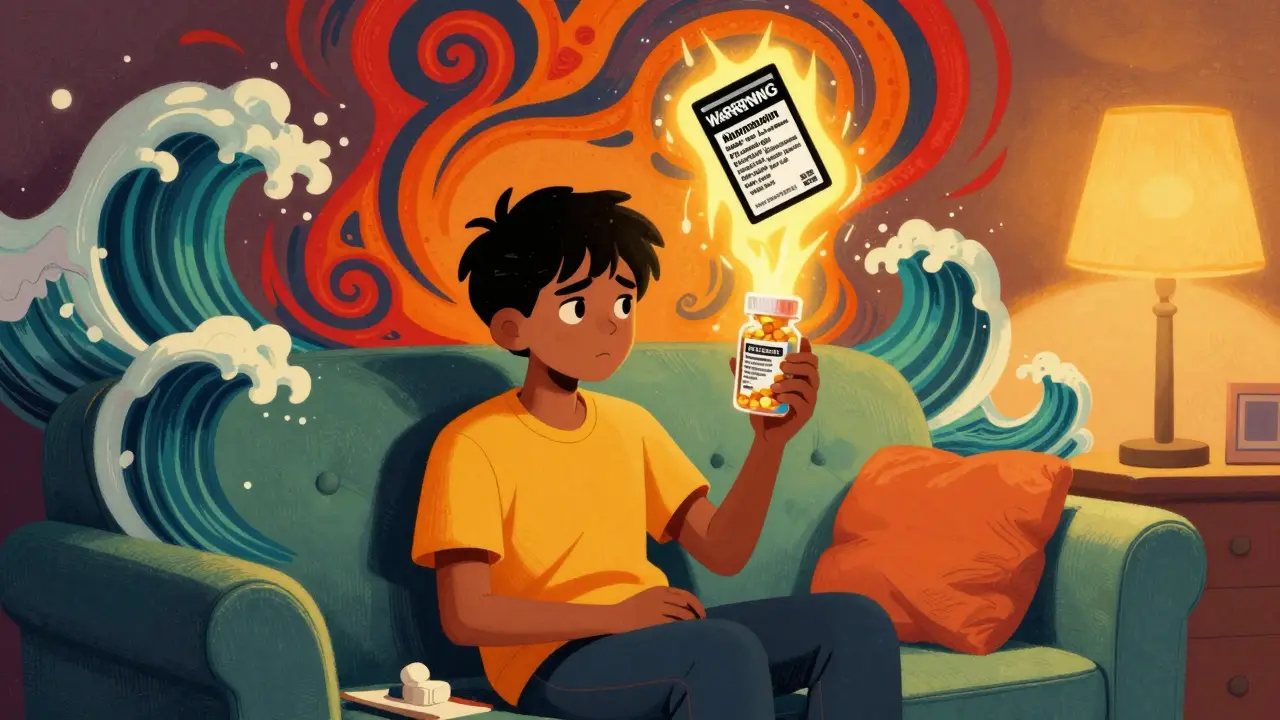
Antidepressants can save lives - but they also carry a warning that has changed how doctors treat teens. In 2004, the FDA put a Black Box warning on all antidepressant labels, the strongest safety alert they can issue. It says these medications may increase the risk of suicidal thoughts and behaviors in children and adolescents. That warning is still on every pill bottle today. But here’s the twist: the very thing meant to protect teens might be making things worse.
What the Black Box Warning Really Says
The FDA’s Black Box warning wasn’t based on a single study. It came from a review of 24 clinical trials involving over 4,400 kids and teens with depression, OCD, or other psychiatric conditions. In those studies, 4% of patients taking antidepressants had new or worsening suicidal thoughts or behaviors. That’s twice the rate seen in kids taking a placebo (2%). No one died in those trials. But the numbers were enough to trigger a national alert. The warning applies to every antidepressant - whether it’s an SSRI like fluoxetine (Prozac) or sertraline (Zoloft), an SNRI like venlafaxine (Effexor), or even bupropion (Wellbutrin). It doesn’t matter which drug or which diagnosis. If it’s prescribed to someone under 25, the label carries the same warning. Doctors are supposed to hand out a Patient Medication Guide with every prescription. It tells families: Watch for new or worsening depression, anxiety, panic attacks, irritability, or unusual behavior - especially in the first few weeks. But what happens after the prescription is filled? That’s where things get complicated.The Unintended Consequences
The warning was meant to save lives. But data since 2004 tells a different story. A 2023 study in Health Affairs looked at 11 high-quality studies and found something startling: after the warning went into effect, visits to doctors for depression dropped by 14.5%. Diagnoses of depression fell by 18.7%. Antidepressant prescriptions for teens plunged by 22.3%. Even psychotherapy visits went down by nearly 12%. And as fewer teens got treatment, suicide-related emergencies rose. Psychotropic drug poisonings - often a sign of suicide attempts - jumped by 21.7%. Completed suicides among 10- to 19-year-olds increased by 17.8% between 2003 and 2007. These weren’t random spikes. They followed a clear pattern: fewer prescriptions, more deaths. One doctor in rural Ohio told me: “I had a 15-year-old girl who refused to take medication because her mom saw the Black Box warning on YouTube. She started self-harming two weeks later. We ended up in the ER.” It’s not that antidepressants are dangerous. It’s that fear stopped treatment. And untreated depression? That’s far more deadly.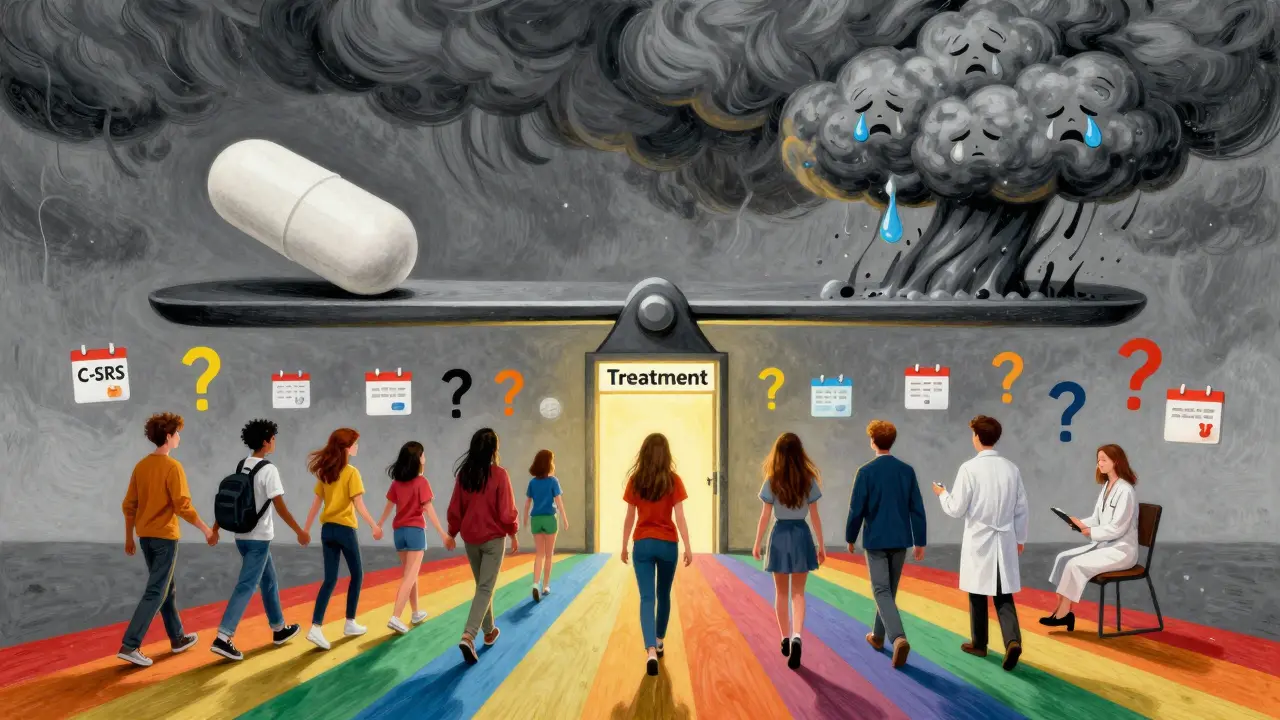
What the Science Really Shows
Let’s cut through the noise. The original FDA analysis had limits. It only looked at short-term trials - up to four months. Most teens need months, even years, of treatment. The trials didn’t include real-world factors like family support, therapy, or school stress. And they didn’t track long-term outcomes. A 2023 Cochrane review of 34 randomized trials with over 6,700 teens found the evidence on suicidality was “low to very low quality.” Why? Because suicidal events were rare. Most studies didn’t have enough participants to detect real differences. The 4% vs. 2% risk? That’s based on tiny numbers. Meanwhile, real-world data from Mayo Clinic in 2022 showed that out of 1,200 teens on SSRIs, 87% improved without any suicidal thoughts. Only 3% had temporary increases in suicidal thinking - and those cases resolved with dose adjustments or better monitoring. The American Psychiatric Association and the American Academy of Child and Adolescent Psychiatry now say: For teens with moderate to severe depression, the benefits of antidepressants outweigh the risks. That’s not opinion. It’s based on years of data.How Doctors Are Supposed to Monitor
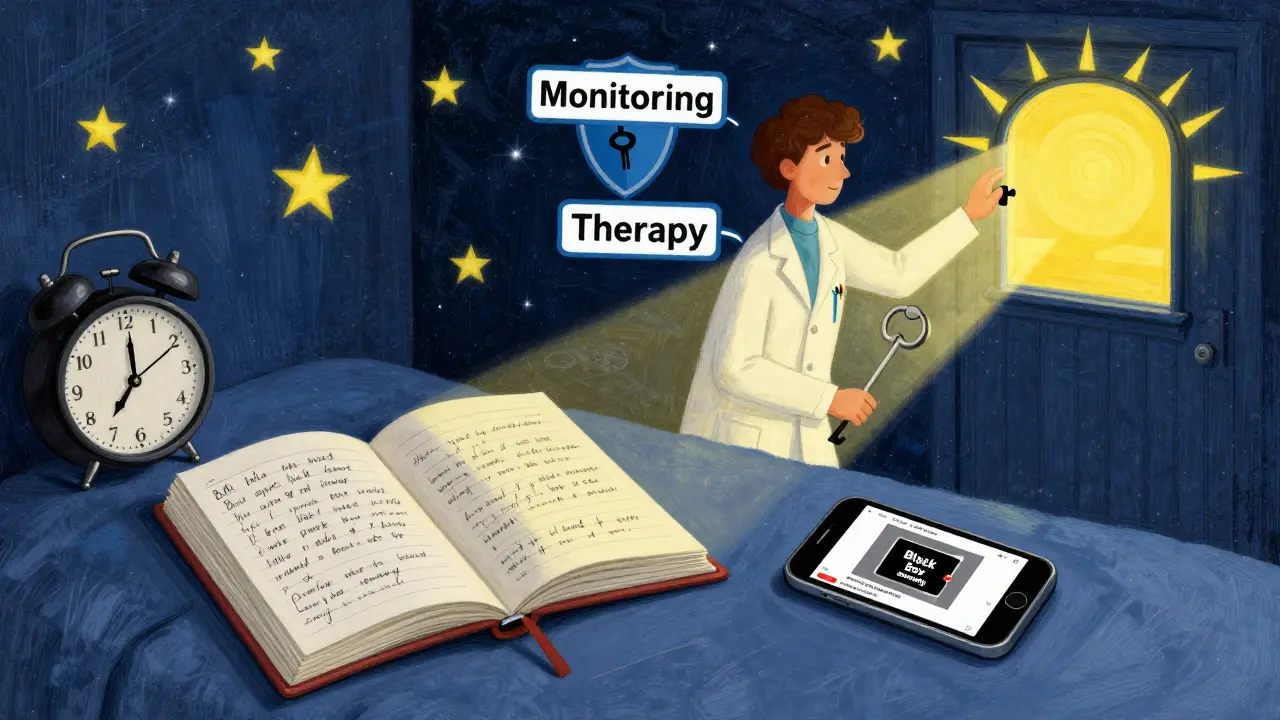
The Black Box warning says: “Monitor closely.” But what does that actually look like? The standard protocol is simple:- Week 1: In-person or telehealth visit. Ask about mood, sleep, energy, and any thoughts of self-harm.
- Week 2-4: Biweekly check-ins. Use the Columbia-Suicide Severity Rating Scale (C-SSRS). It’s not a quiz - it’s a conversation. Questions like: “Have you felt like life isn’t worth living?” or “Have you thought about how you’d end it?”
- Month 2-3: Monthly visits. Track progress, side effects, and family feedback.
- After 3 months: Continue monthly or as needed. Treatment isn’t over when the first symptoms lift.
What Parents Should Do
If your teen is being considered for antidepressants, here’s what to ask:- “What’s the evidence this medication will help my child?”
- “What are the signs of worsening mood - and what do we do if they happen?”
- “Will we have weekly check-ins for the first month?”
- “Are we combining this with therapy?”
The Bigger Picture
The FDA’s warning was born from good intentions. But good intentions don’t always lead to good outcomes. We’ve seen this before. In the 1990s, warnings about ADHD stimulants caused a drop in prescriptions - and a spike in school suspensions and emergency room visits. In the 2000s, warnings about antipsychotics led to more untreated psychosis. Now we’re seeing it again with antidepressants. The data is clear: teens who get treatment have lower suicide rates than those who don’t. Antidepressants aren’t magic. But they’re one of the few tools we have that actually works. As of 2025, antidepressant prescriptions for teens remain 18.7% below pre-2004 levels - even though depression rates have doubled since then. The FDA’s Psychopharmacologic Drugs Advisory Committee is reviewing the warning this year. Many experts believe it should be replaced with a less alarming, more balanced label. Until then, the message is simple: Don’t stop treatment because of a warning. Ask for better monitoring. Demand follow-up care. And remember - the greatest risk isn’t the pill. It’s the silence that follows when no one dares to speak up.Do all antidepressants have the Black Box warning?
Yes. The FDA’s Black Box warning applies to all antidepressant medications, regardless of class. This includes SSRIs (like fluoxetine and sertraline), SNRIs (like venlafaxine), atypical antidepressants (like bupropion and mirtazapine), and others. The warning was issued because the risk of suicidal thinking and behavior was seen across multiple drugs in pediatric trials. It is now a permanent part of the prescribing information for every antidepressant in the U.S.
Is the Black Box warning still active in 2026?
Yes. As of February 2026, the FDA has not removed or modified the Black Box warning. It was first issued in 2004 for patients under 18 and expanded in 2007 to include young adults up to age 24. Despite growing evidence that the warning may have caused more harm than good - including reduced treatment rates and increased suicide deaths - the FDA has not changed the label. A review by its advisory committee is scheduled for 2024, but no changes have been implemented yet.
Do antidepressants cause suicide in teens?
No. Antidepressants do not cause suicide. They can, in rare cases, increase the risk of suicidal thoughts or behaviors - especially in the first few weeks of treatment. But this is not the same as causing suicide. In fact, multiple studies show that teens who receive appropriate treatment with antidepressants and therapy have lower suicide rates than those who go untreated. The real danger is leaving depression unaddressed.
How often should a teen be monitored when starting an antidepressant?
The American Psychiatric Association recommends weekly check-ins during the first month, biweekly visits in the second month, and monthly visits thereafter. Each visit should include a formal suicide risk assessment using tools like the Columbia-Suicide Severity Rating Scale (C-SSRS). Parents should report any sudden changes in mood, agitation, sleeplessness, or talk of self-harm immediately. Monitoring is not optional - it’s the standard of care.
Should teens avoid antidepressants because of the Black Box warning?
No. For teens with moderate to severe depression, the benefits of antidepressants generally outweigh the risks. Studies show that untreated depression leads to higher suicide rates, school failure, substance use, and long-term disability. The Black Box warning was meant to promote careful monitoring - not to prevent treatment. With proper oversight, including therapy and regular follow-ups, antidepressants can be safe and life-saving.
Camille Hall
February 8, 2026 AT 11:33As a therapist who's worked with teens for over a decade, I've seen firsthand how the Black Box warning scares parents away from treatment. I had a 16-year-old boy last year who was suicidal, but his mom refused SSRIs because of that warning. We started with therapy only. Two months in, he stopped showing up. The silence was louder than any scream. When we finally got him back into care-with meds and consistent follow-ups-he started drawing again. He drew a sun rising over a broken bridge. That’s recovery. Not perfection. Just progress.
Let’s stop treating medication like a last resort. It’s a tool. Like crutches for a broken leg. You don’t refuse them because the cast looks scary.
Jonah Mann
February 9, 2026 AT 20:59so like… i read this whole thing and im just like… why is the fda still keeping this warning?? it’s 2026 and we got like 20 more studies since 2004 that show the opposite?? like… the warning was meant to help but now it’s just scaring people away from life saving treatment?? i mean… come on. the data is clear. untreated depression kills. way more than meds ever have. this feels like a policy that got stuck in 2004 and nobody had the guts to fix it. sad.
THANGAVEL PARASAKTHI
February 10, 2026 AT 06:42From India, we don’t have this black box here. But we have our own problems-stigma, no access, no psychiatrists in villages. A teen here might never even get to a doctor. So if the warning stops even the few who try, then yes-it’s doing more harm. We need balance. Not fear. Not silence. Just… care. And for that, we need trained people, not just labels on bottles.
Tricia O'Sullivan
February 11, 2026 AT 06:10While I appreciate the depth of this analysis, I must emphasize the importance of maintaining a cautious yet compassionate approach. The integrity of clinical guidelines must be preserved, even as we acknowledge evolving evidence. A nuanced revision of the warning-rather than its removal-may better serve both clinical responsibility and public understanding.
Scott Conner
February 12, 2026 AT 07:19wait so the 4% vs 2% thing… was that even statistically significant? i feel like that’s like saying ‘eating ice cream increases your chance of getting a cold by 2%’-like, is that even meaningful? and why are we still treating this like a nuclear threat? also, why is the warning still active if the FDA is reviewing it in 2024? did they forget? or is this just bureaucracy on autopilot?
Brandon Osborne
February 13, 2026 AT 15:12THIS IS WHY WE’RE LOSING OUR KIDS. THE SYSTEM IS BROKEN. THEY PUT A WARNING ON A PILLS THAT SAYS ‘MIGHT MAKE YOU THINK ABOUT DYING’ BUT THEY DON’T PUT ONE ON THE FACT THAT 1 IN 5 TEENS NOW HAVE SERIOUS DEPRESSION AND NO ONE IS HELPING THEM. THEY’RE SCARED TO PRESCRIBE SO THEY JUST SAY ‘NOPE’ AND LET THEM SUFFER. I’VE SEEN IT. I’VE LOST FRIENDS. I’VE HELD TEENS WHO CRIED BECAUSE THEIR PARENTS THOUGHT ANTIDEPRESSANTS WERE ‘POISON.’ IT’S NOT A WARNING. IT’S A DEATH SENTENCE BY INACTION.
Marie Fontaine
February 14, 2026 AT 02:21YESSSSS this is everything 🙌 I’m a mom of a 14yo on sertraline and we did weekly check-ins, therapy, and even a journaling app. She’s been on it 8 months and now she’s back on the soccer team and laughing again. The warning? Yeah, we saw it. We didn’t panic. We called the doc. We stayed engaged. Treatment works when you show up. Don’t let fear write your kid’s story 💪❤️
Lyle Whyatt
February 15, 2026 AT 05:59Let me take a step back and really reflect on this, because this isn’t just about medication-it’s about how society treats mental health as a moral failing rather than a physiological condition. The Black Box warning, while well-intentioned, became a cultural artifact of fear, not science. It’s been weaponized by misinformation, amplified by social media, and reinforced by a healthcare system that’s too overburdened to provide the monitoring it demands. We created a paradox: the more we warn, the less we treat. And the less we treat, the more people die. It’s not about whether the drug is dangerous. It’s about whether we’re willing to show up-for the teen, for the parent, for the doctor, for the system that’s supposed to hold them all together. And right now? We’re not showing up. We’re hiding behind a label.
Tatiana Barbosa
February 15, 2026 AT 06:13Real talk: depression is a neurochemical storm. SSRIs don’t fix it-they stabilize the system long enough for therapy and time to do their work. The Black Box warning? It’s like putting a flashing red light on a defibrillator. ‘Use with caution!’ But if someone’s coding, you don’t hesitate. You use it. We’ve got teens coding right now. And we’re hesitating. The data doesn’t lie: treatment reduces suicide risk. Period. We need to stop treating mental health like a moral dilemma and start treating it like a medical emergency. Because it is.
Ken Cooper
February 16, 2026 AT 18:05ok so i just read the whole thing and i’m blown away. but honestly? the biggest problem isn’t the warning-it’s that 76% of docs say families delay care because of it. that’s insane. why aren’t we training pediatricians to say ‘this is how we monitor’ instead of just handing out the pamphlet? and why don’t schools have mental health liaisons? why is it on parents to be experts? i’ve got a cousin who got prescribed an SSRI and her mom googled ‘side effects’ and panicked. they waited 6 weeks. by then she was cutting. we need better communication. not less meds. better support. like… actual human connection. not just a label.